Royal National Park Rainforest
The rainforest areas of Royal National Park are mainly on the Narrabeen Group geology in the south of the park, extending south along the Hacking River and its tributaries from around Calala, and south along the coast from around Garie Beach. Rainforest is also seen in small amounts around Port Hacking (not shown).
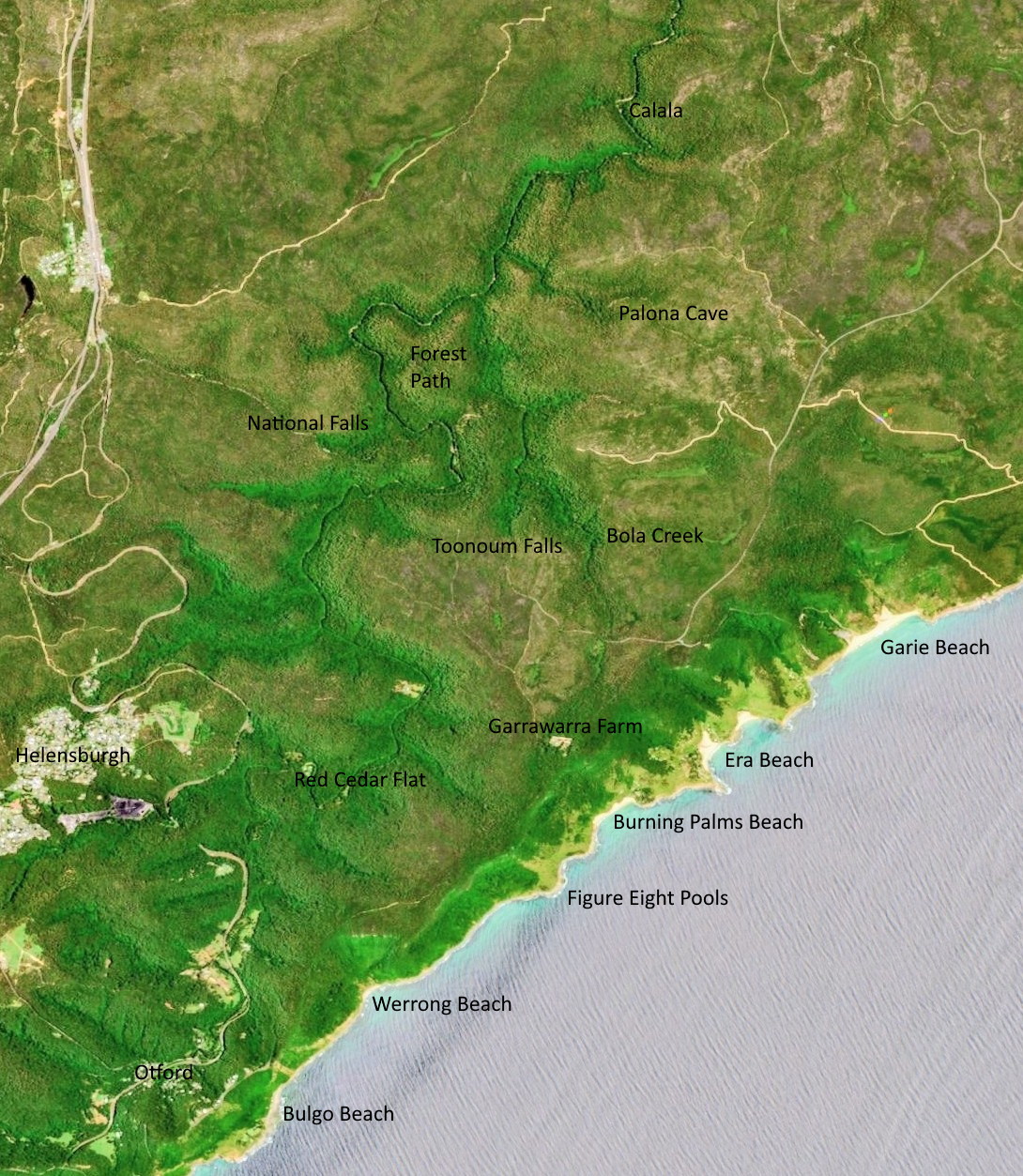
Royal National Park Rainforest Map (Satellite image credit: European Union, Copernicus Sentinel imagery)
Rainforest Plants (Common)
Doryphora sassafras
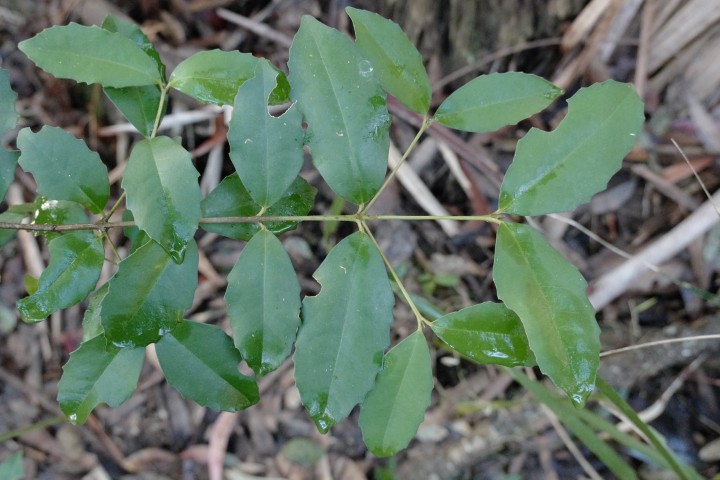
Sassafras: Simple, Opposite, Toothed, Sunken midvein, Aniseed like scent
Elaeodendron australe
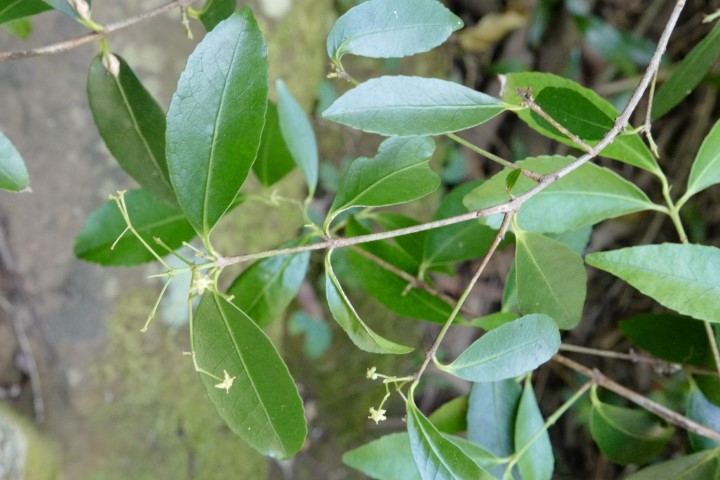
Red Olive Berry: Simple, Opposite, Crenate margins, Raised midvein
Callicoma serratifolia
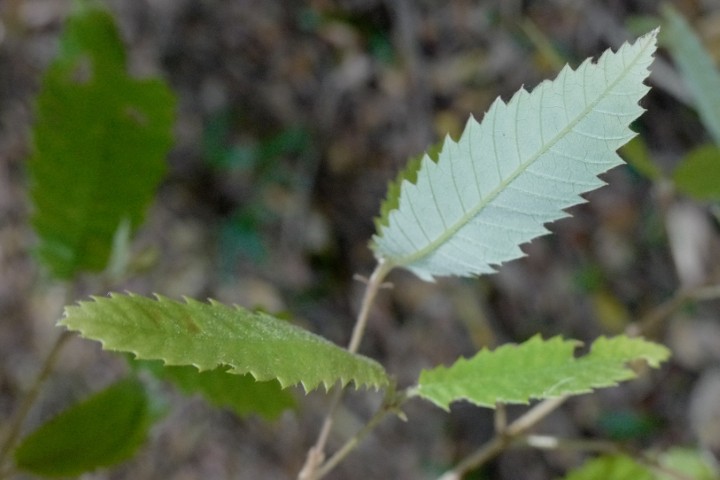
Black Wattle: Simple, Opposite, Saw toothed, White undersides, Interpetiolar stipule scars
Ceratopetalum apetalum
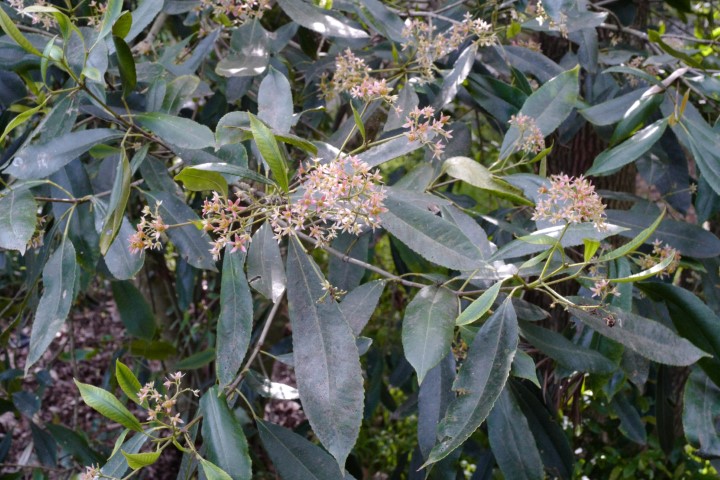
Coachwood: 1-foliolate, Opposite, Toothed, Interpetiolar stipule scars
Schizomeria ovata
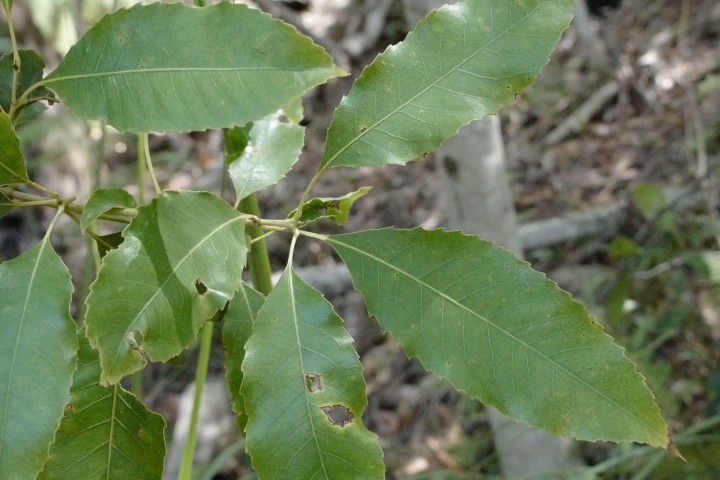
Australian Crabapple: Simple, Opposite, Toothed, Swollen petiole bases, Raised mid & side veins, Interpetiolar stipule scars
Diospyros australis
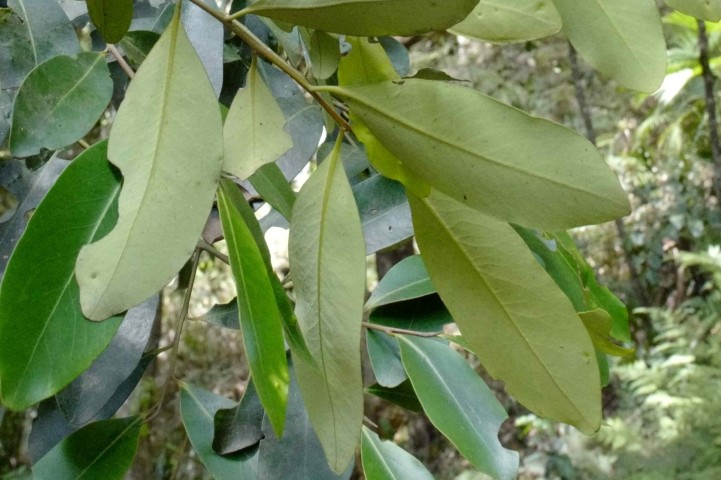
Black Plum: Simple, Alternate, Yellowy green undersides with veins obscure
Trochocarpa laurina
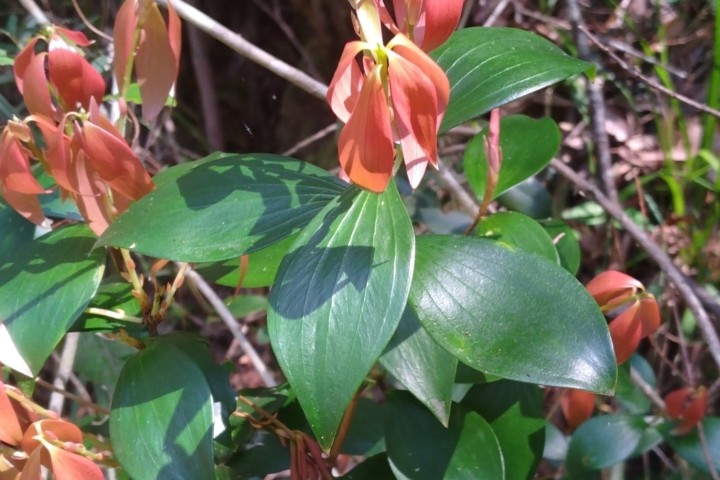
Tree Heath: Simple, Opposite, Longitudinal veins
Claoxylon australe
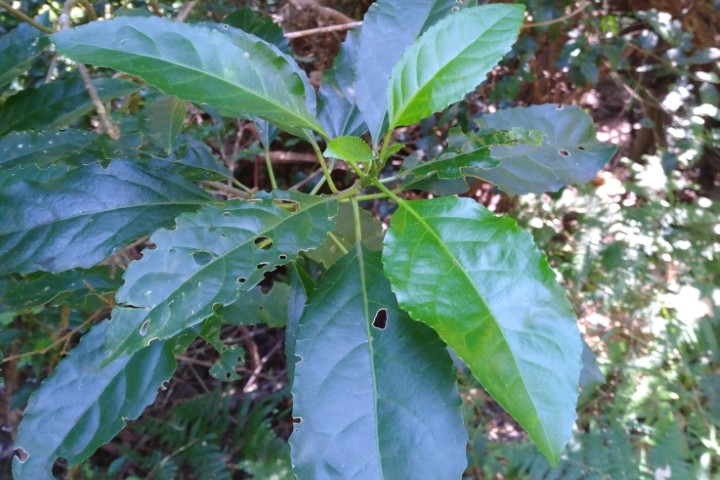
Brittlewood: Simple, Alternate, Toothed, Glands near top of petiole
Eupomatia laurina
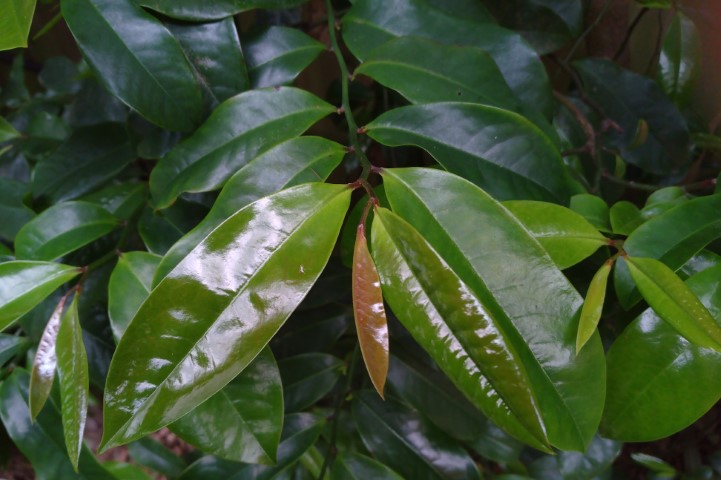
Bolwarra: Simple, Alternate, Zigzagged branchlets, Shiny
Clerodendrum tomentosum
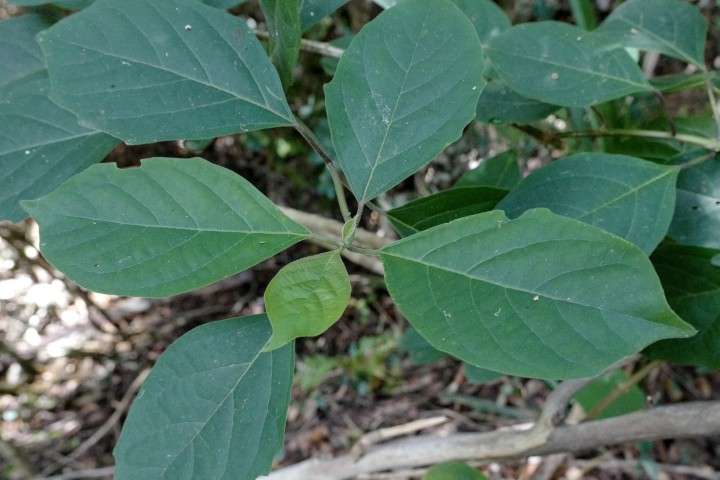
Hairy Clerodendrum: Simple, Opposite, Toothed when young, Purplish petioles
Cryptocarya glaucescens
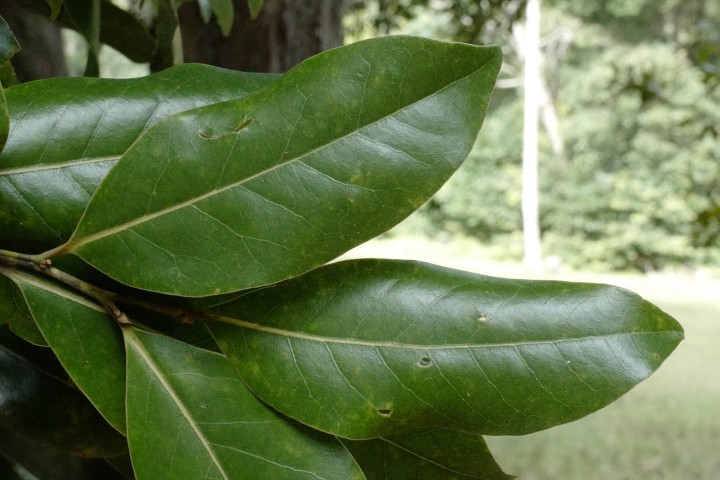
Jackwood: Simple, Alternate, Rounded groove midvein, Glaucous undersides
Cryptocarya microneura
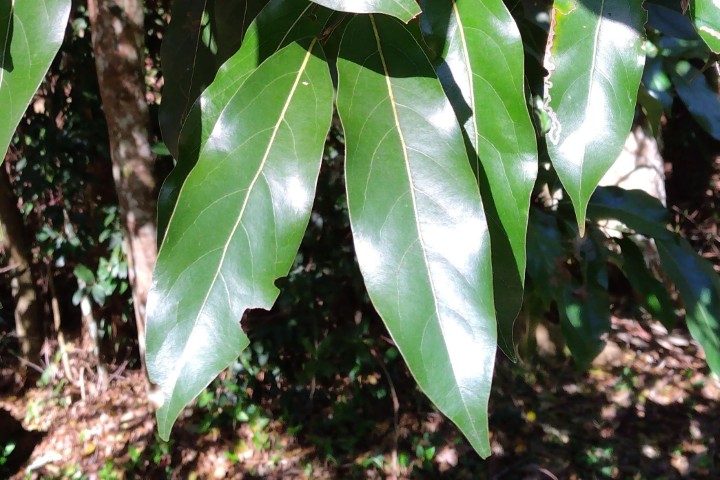
Murrogun: Simple, Alternate, Raised midvein, Lateral veins curving along leaf
Wilkiea huegeliana
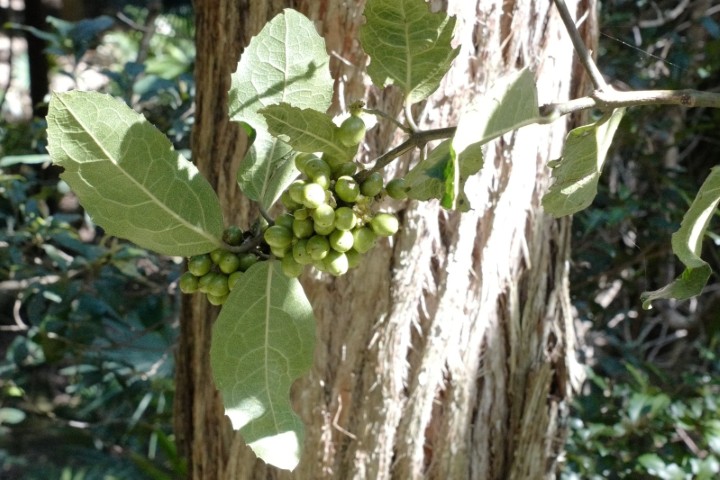
Wilkiea: Simple, Opposite, Toothed, Stiff, Raised reticulated undersides
Ficus coronata
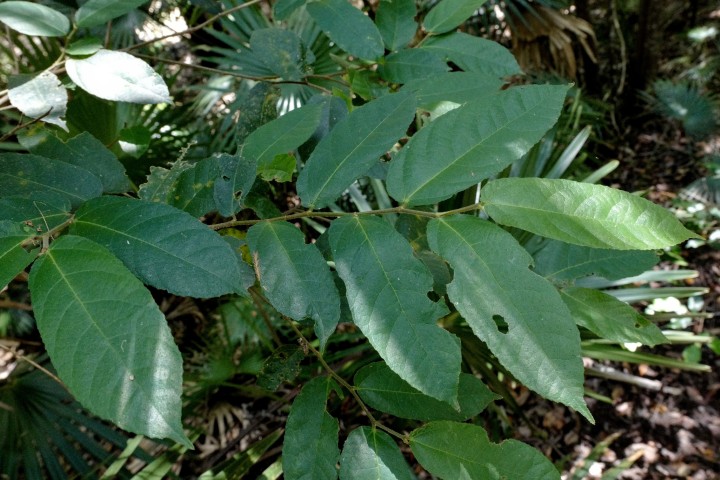
Sandpaper Fig: Simple, Alternate, Sandpaper texture, Zigzagged branchlets, margins sometimes finely toothed
Ficus rubiginosa
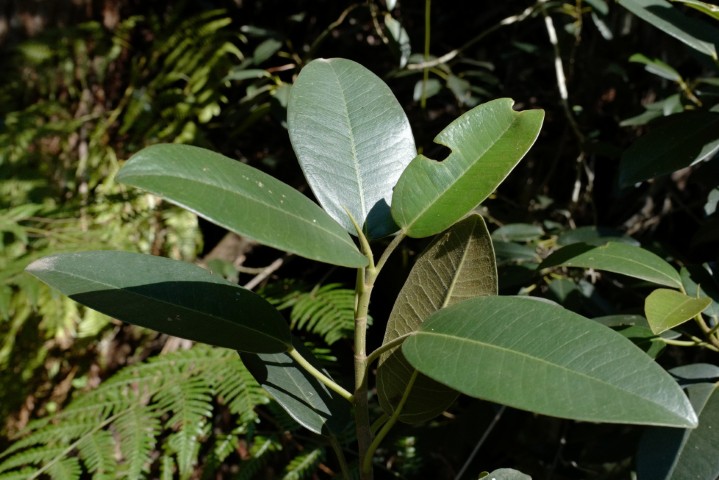
Port Jackson Fig: Simple, Alternate, Flat midvein, Stipules medium length, Undersides often reddish
Backhousia myrtifolia
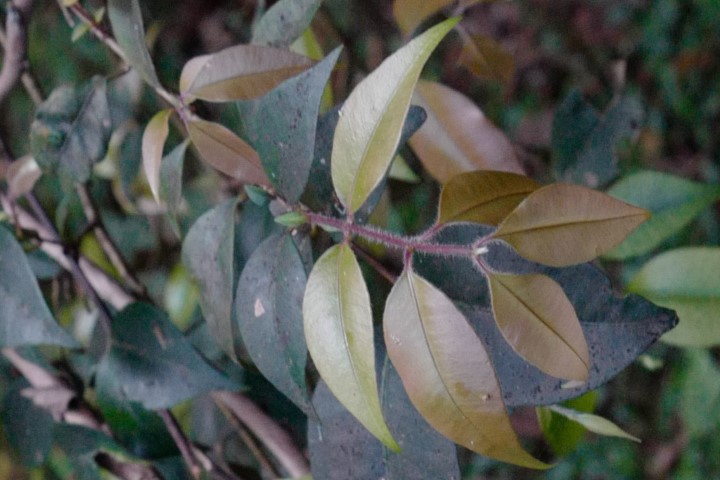
Cinnamon Myrtle: Simple, Opposite, Raised midvein, Hairy new growth
Acmena smithii
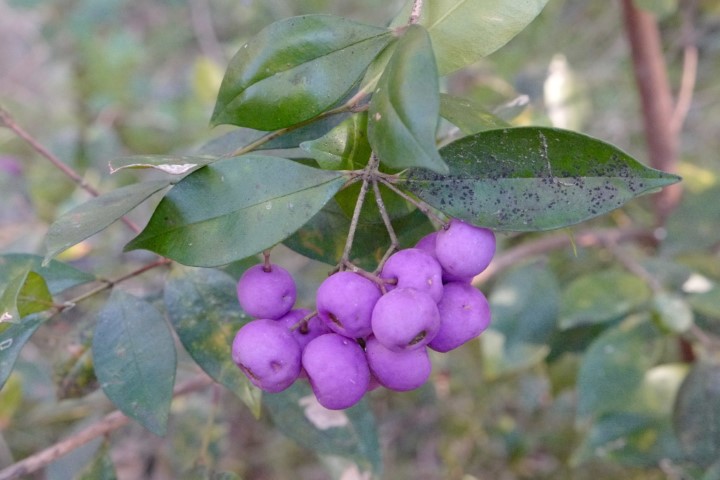
Common Lilly Pilly: Simple, Opposite, Rounded tips, Sunken midvein, Veiny
Tristaniopsis laurina
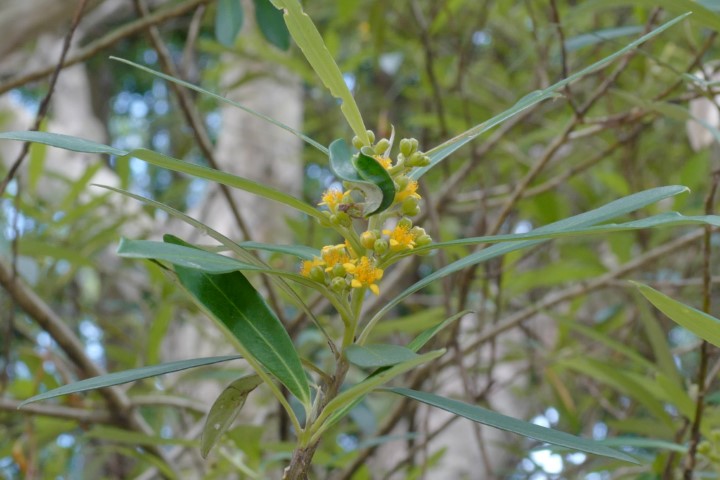
Water Gum: , ,
Notelaea venosa
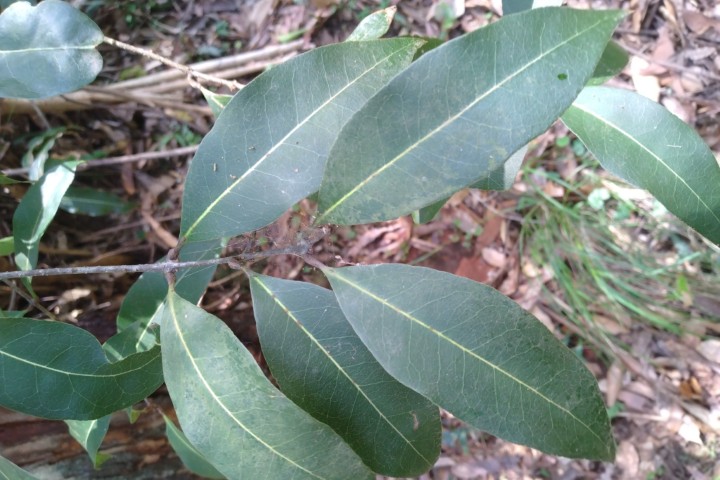
Veined Mock-olive: Simple, Opposite, 2 or more dark rounded axillary buds
Glochidion ferdinandi
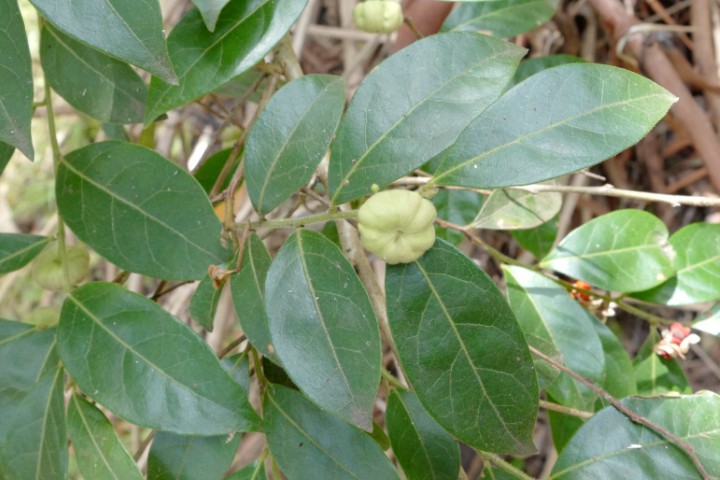
Cheese Tree: , ,
Pittosporum revolutum
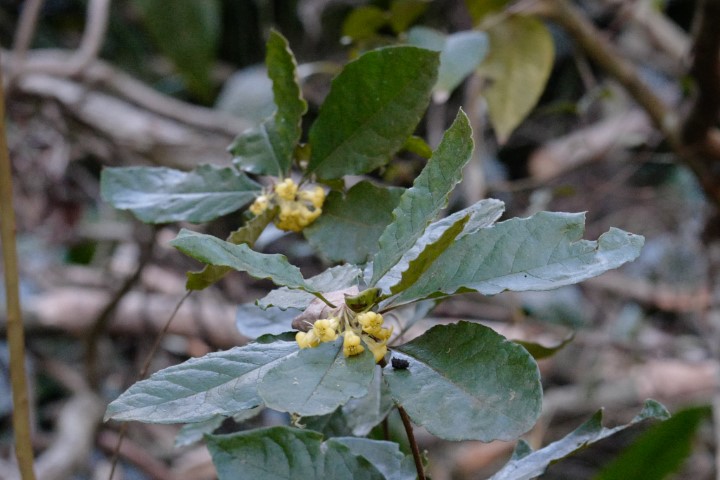
Yellow Pittosporum: , ,
Alphitonia excelsa
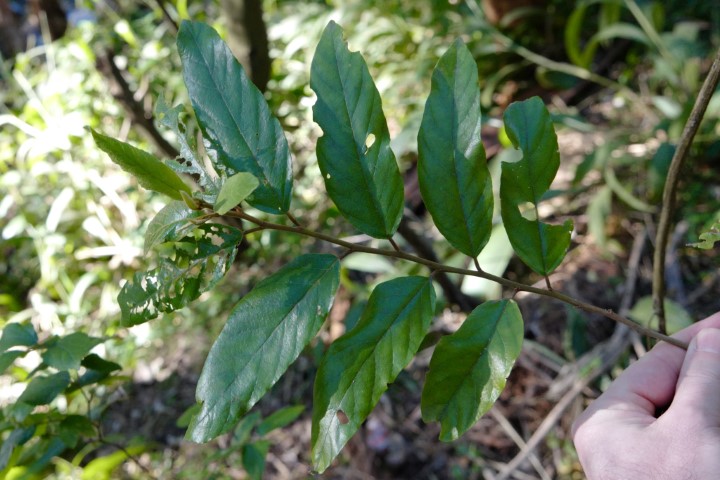
Red Ash: Simple, Alternate, White undersides, Hairy branchlets
Synoum glandulosum
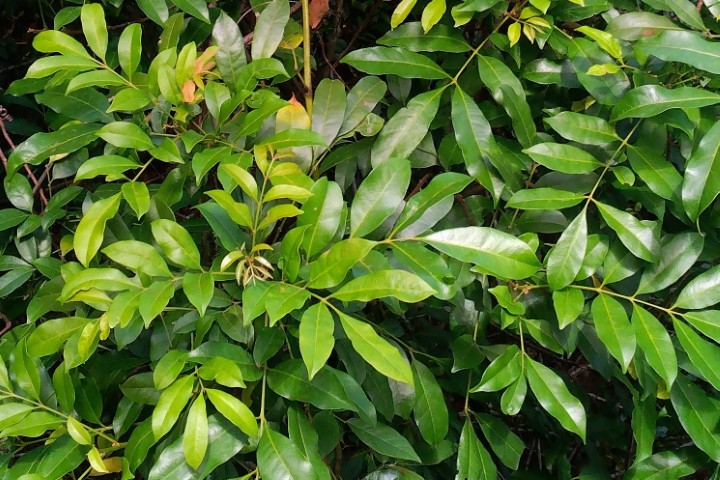
Scentless Rosewood: Imparipinnate, Alternate, Raised midvein, Midvein domatia
Guioa semiglauca
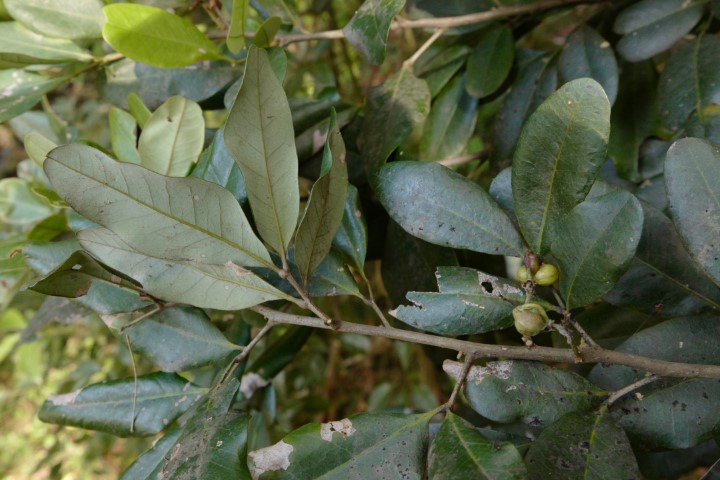
Guioa: Pinnate, Alternate, Bluey white undersides, Rachis projection
Livistona australis
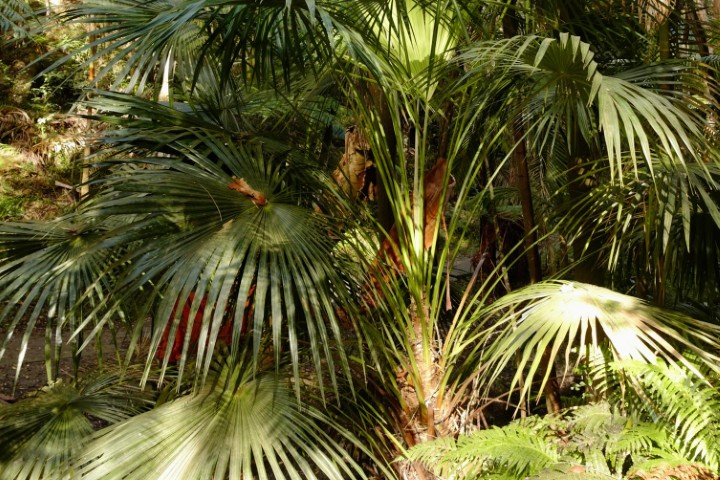
Cabbage Tree Palm: , ,
Rainforest Plants (Reasonably Common)
Citronella moorei
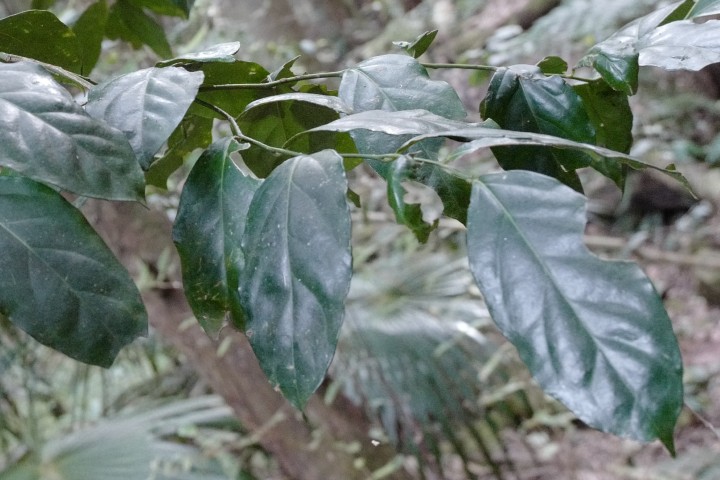
Churnwood: Simple, Alternate, Lime to dark green, Shiny, Midvein domatia
Sloanea australis
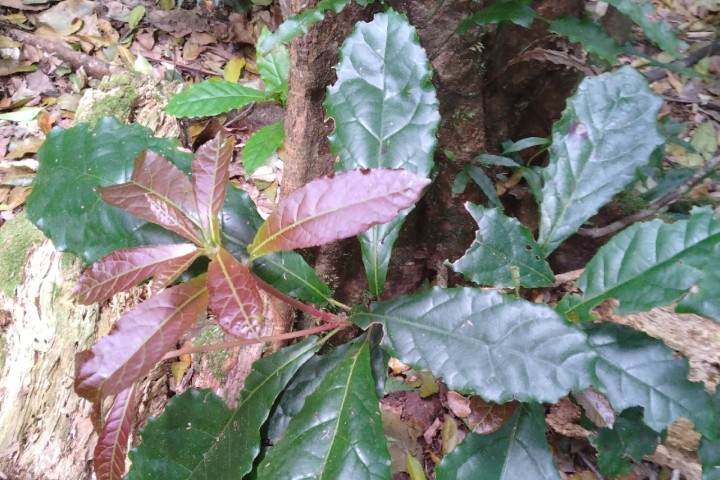
Maiden's Blush: 1-foliolate, Alternate, Toothed, base widens/cordate
Polyosma cunninghamii
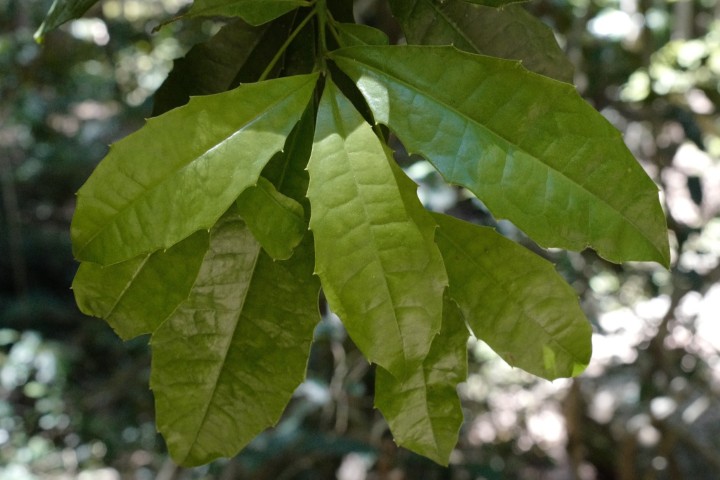
Featherwood: Simple, Opposite, Teeth with callus tips extending outward
Endiandra sieberi
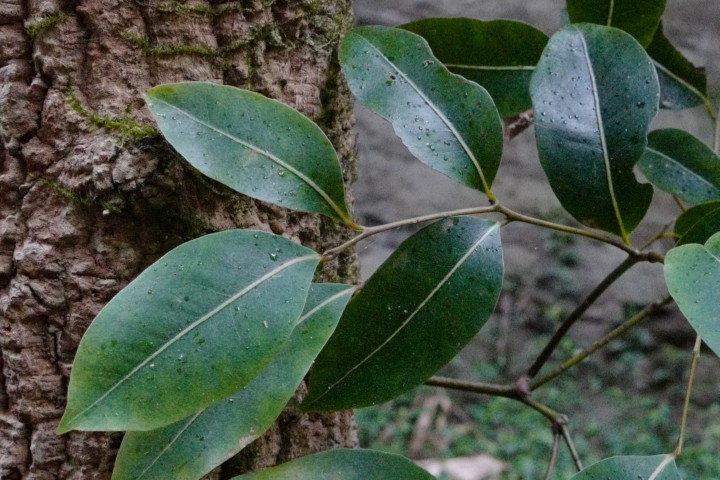
Hard Corkwood: Simple, Alternate, Corky Bark, Midvein raised above and flattens into leaf on underside
Toona ciliata
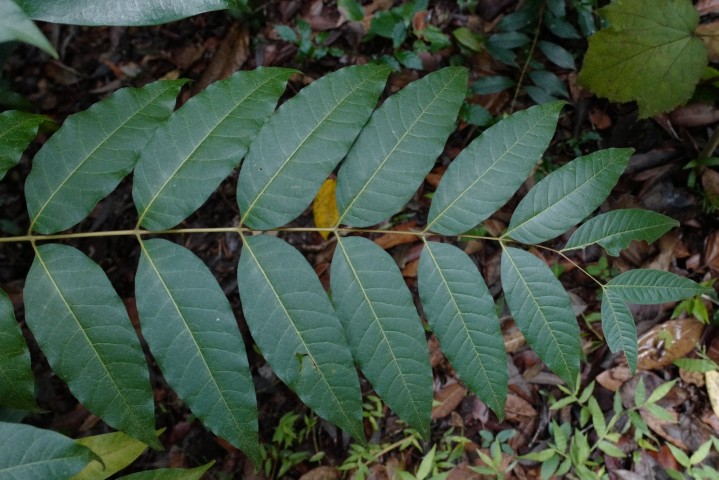
Red Cedar: Pinnate, Alternate, Bases asymmetric, Tufted midvein domatia
Rhodamnia rubescens
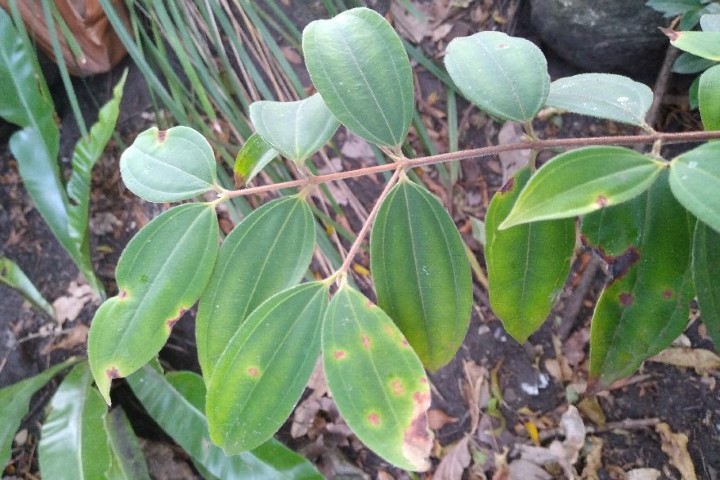
Scrub Turpentine: Simple, Opposite, 3 veined, Hairy undersides, Endangered
Syzygium oleosum
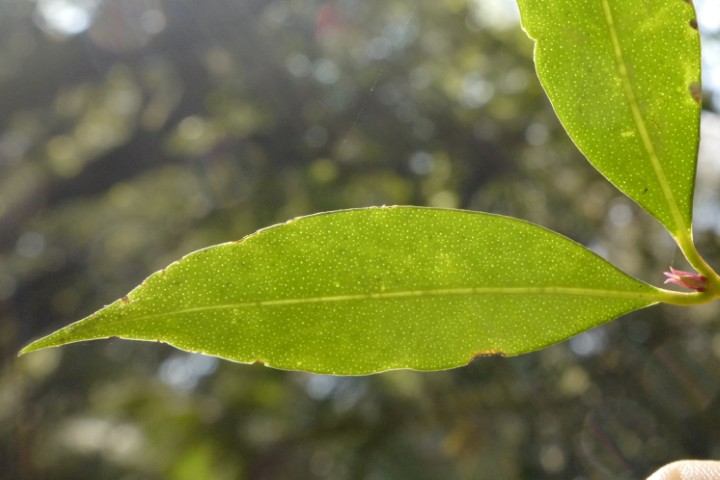
Blue Lilly Pilly: Simple, Opposite, Long pointed tips, Large translucent oil dots
Pittosporum undulatum
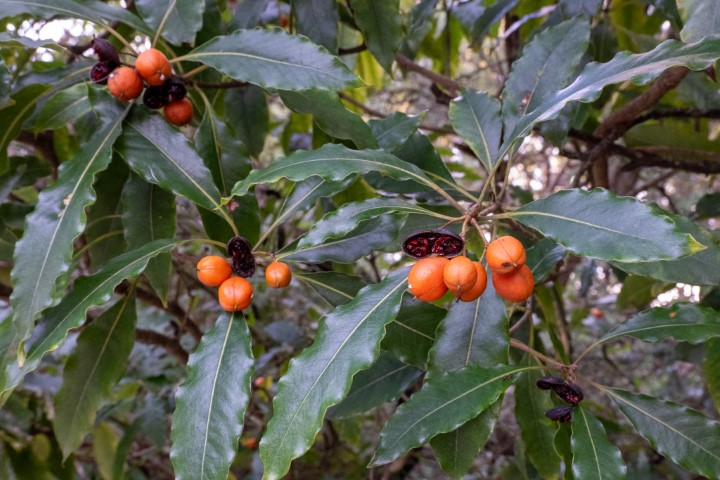
Sweet Pittosporum: Simple, Pseudo-whorled, Undulate margins
Myrsine howittiana
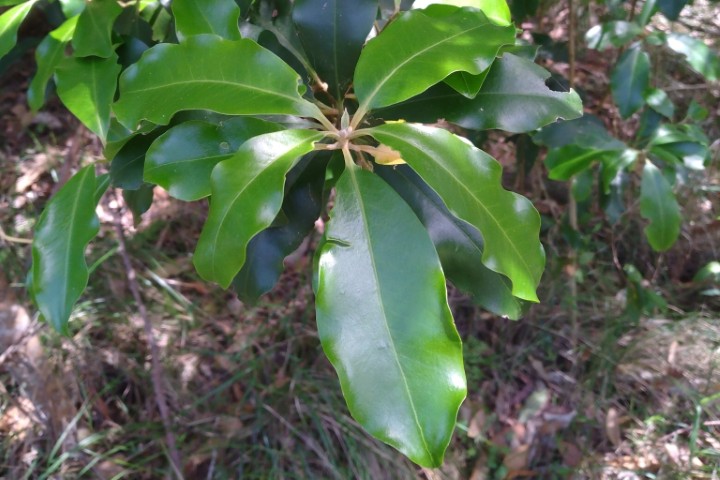
Brush Muttonwood: Simple, Alternate, Rusty bud hairs, Undulate margins
Myrsine variabilis
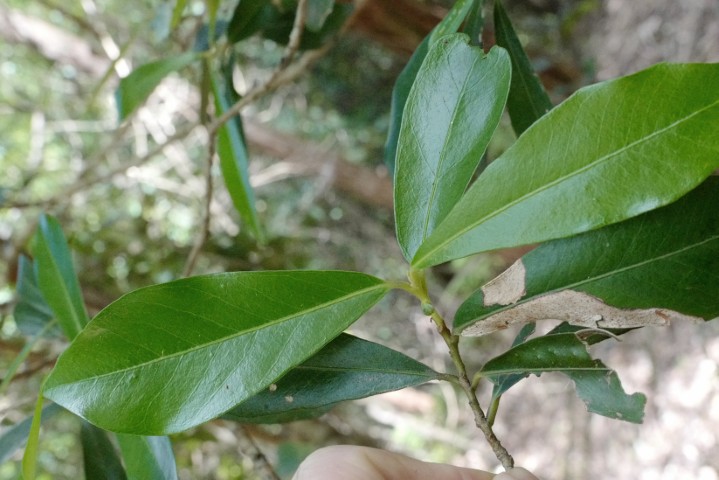
Muttonwood: , ,
Stenocarpus salignus
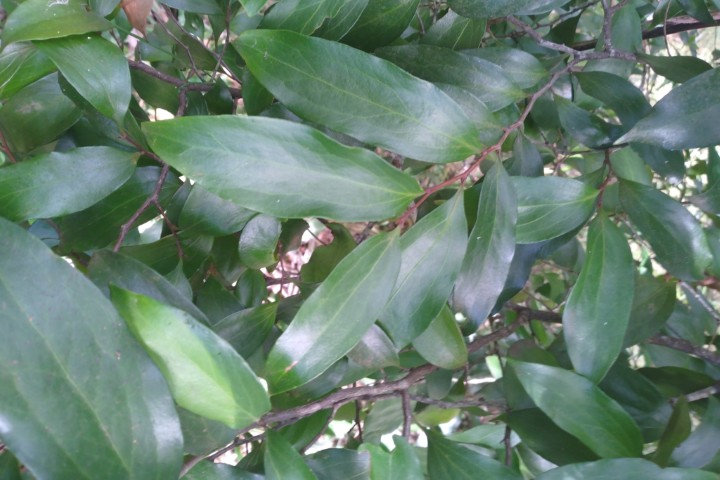
Scrub Beefwood: Simple, Alternate, 3 longitudinal veins
Psychotria loniceroides
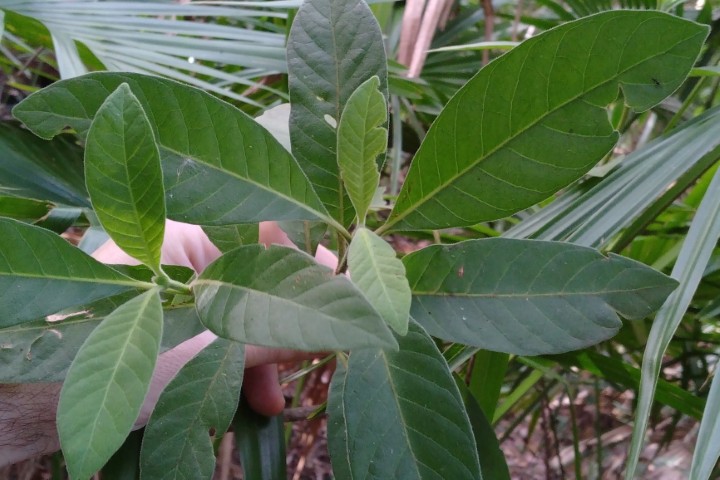
Hairy Psychotria: Simple, Opposite, Hairy in general, Midvein domatia
Acronychia oblongifolia
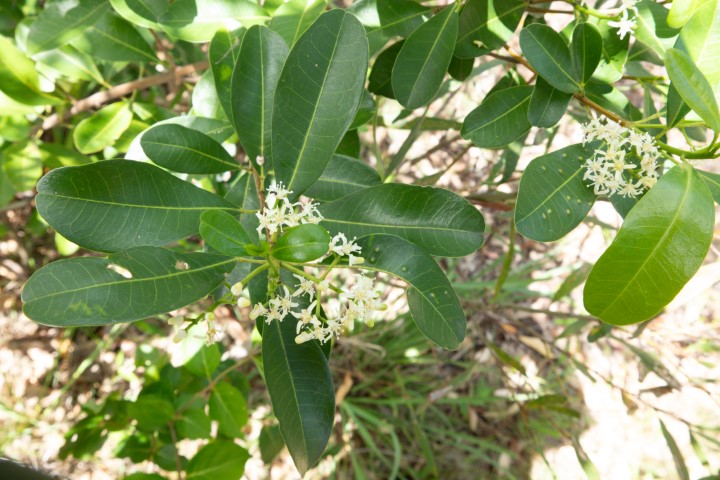
White Aspen: 1-foliolate, Opposite, Raised midvein
Melicope micrococca
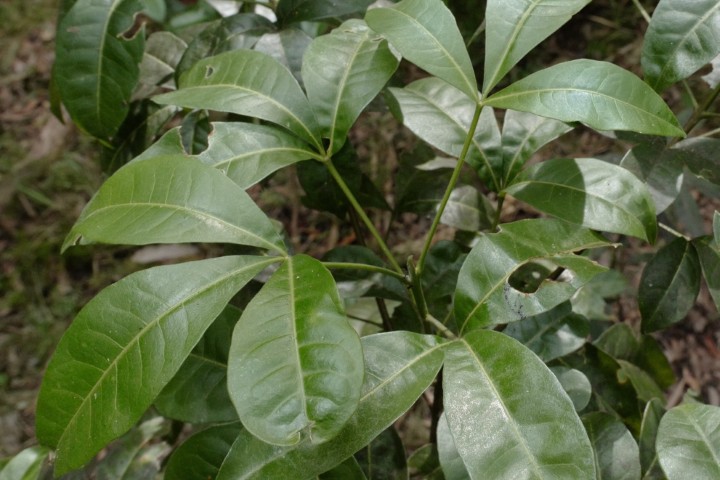
White Euodia: 3-foliolate, Opposite, Lateral leaflets curve around terminal leaflet
Scolopia braunii
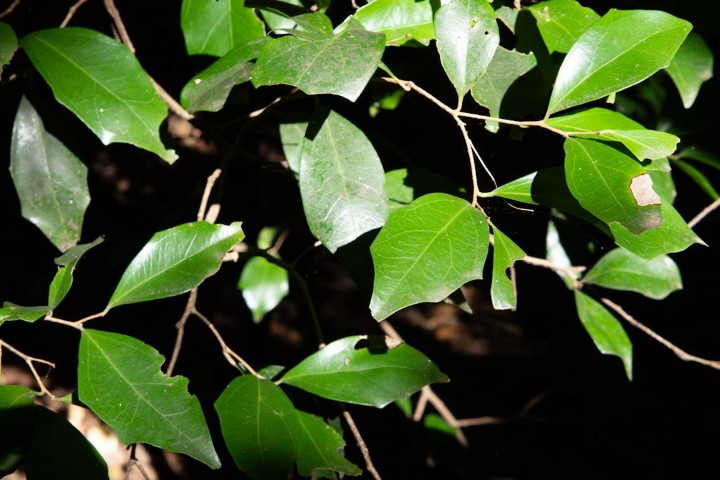
Flintwood: Simple, Alternate, Leaves with angled margins, Toothed when young
Alectryon subcinereus
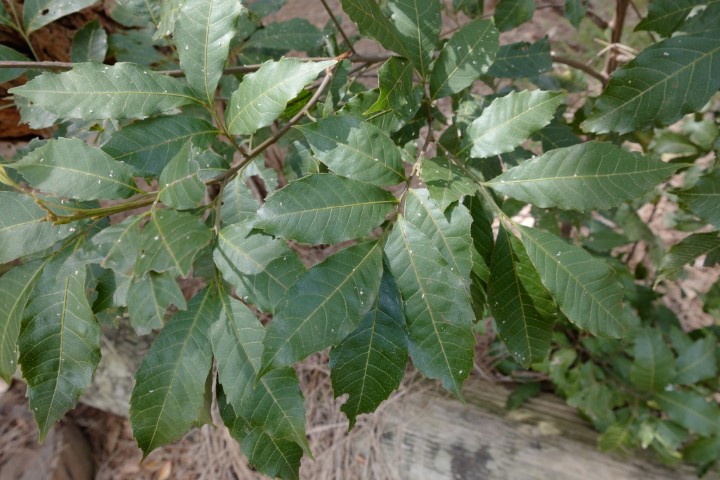
Native Quince: Pinnate, Alternate, Winged rachis, Toothed in upper half, Rachis projection
Planchonella australis
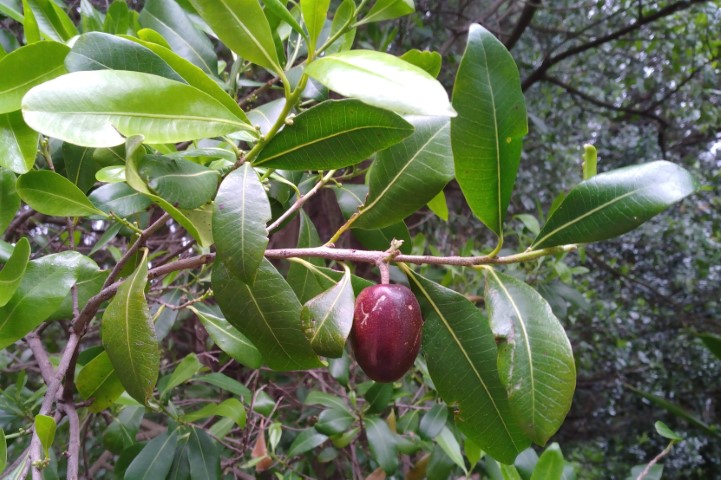
Black Apple: Simple, Alternate, Raised midvein, Many straightish lateral veins
Duboisia myoporoides
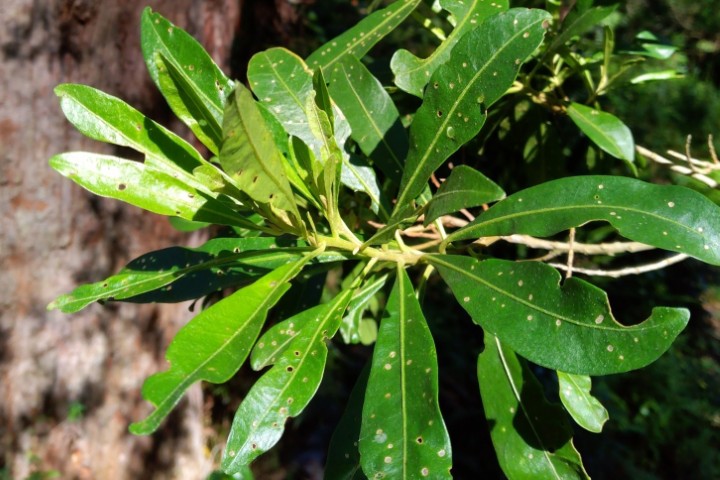
Corkwood: Simple, Alternate, Corky Bark, Leaves clumped
Symplocos stawellii
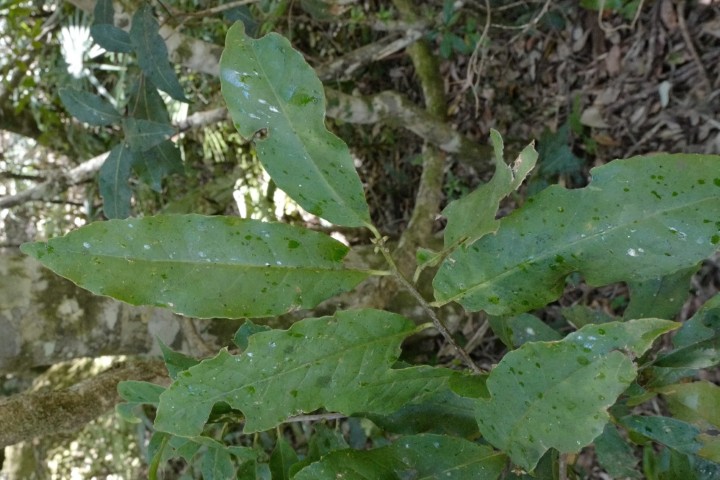
White Hazelwood: Simple, Alternate, Toothed, Hairy scales over terminal buds
Tasmannia insipida
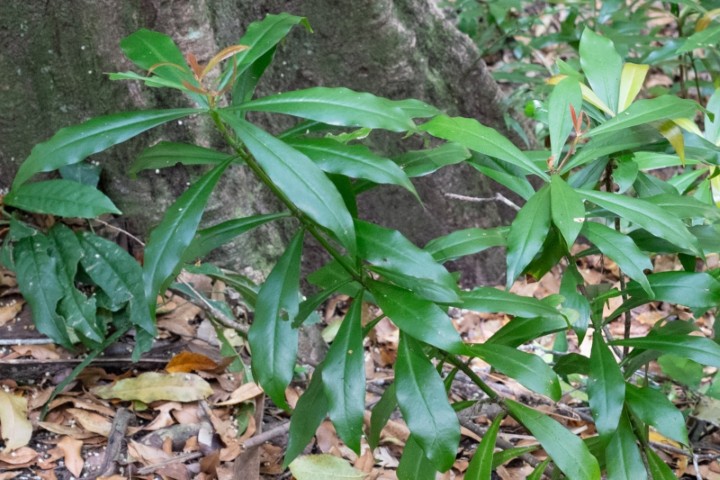
Brush Pepperbush: Simple, Alternate, Pepper scent, Green branches
Rainforest Plants (Scattered)
Euroschinus falcatus
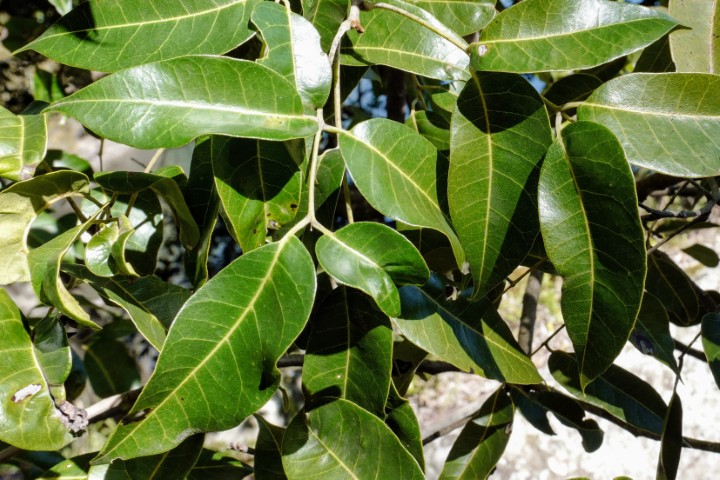
Blush Cudgerie: Pinnate, Alternate, Y-forked lateral veins, Mango scent
Brachychiton acerifolius
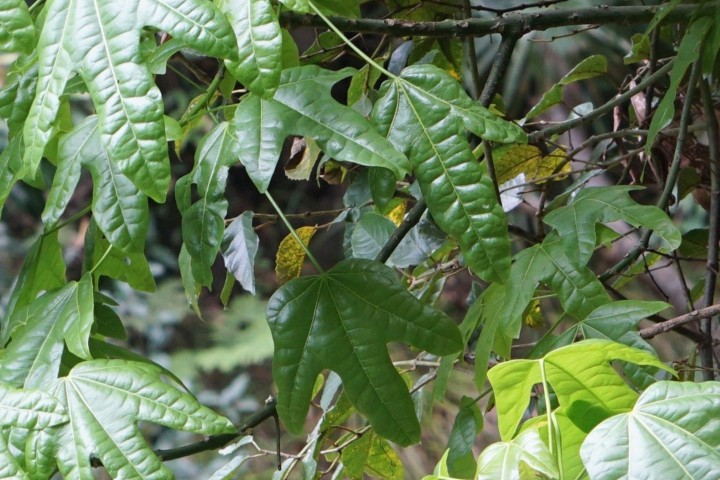
Flame Tree: Simple, Alternate, Entire, 3-lobed or 5-lobed, Long petioles
Hedycarya angustifolia
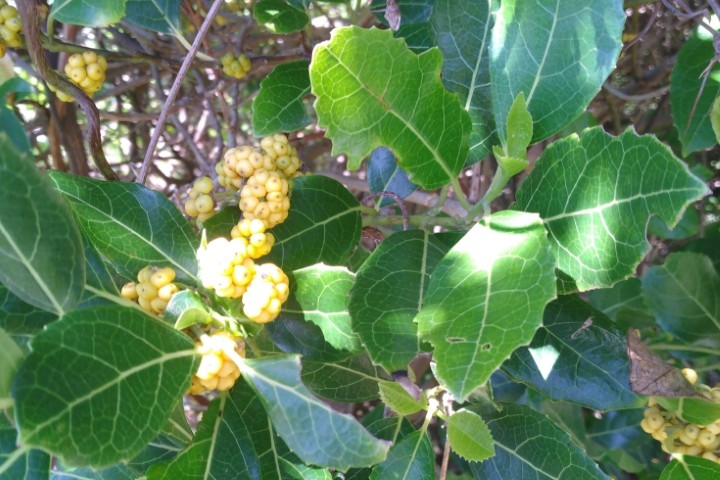
Native Mulberry: Simple, Opposite, Irregularly toothed, obvious reticulation above
Ficus henneana
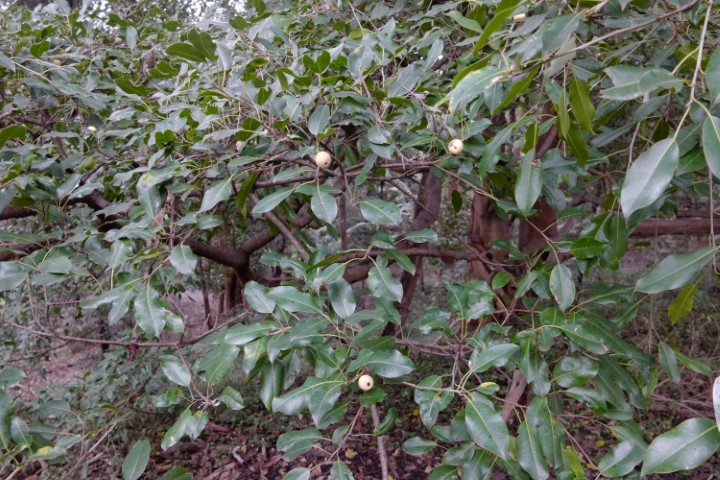
Deciduous Fig: Simple, Alternate, Midvein sunken, Stipules short, Lateral veins distinct, Large individual fruit
Abrophyllum ornans
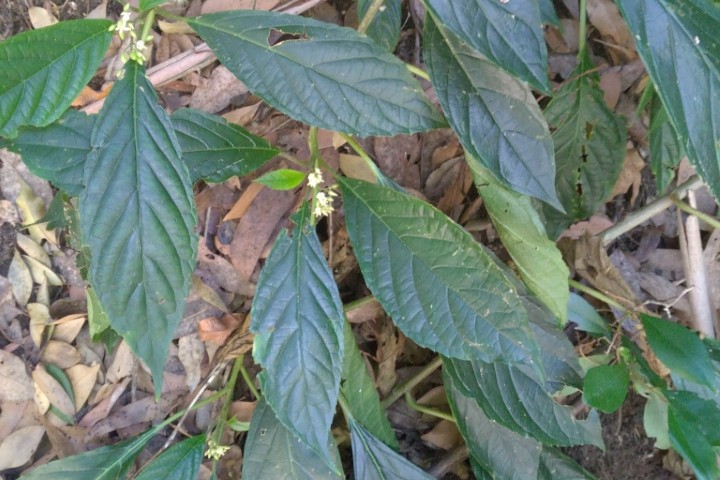
Native Hydrangea: Simple, Alternate, Toothed, Leaves at ends of branches
Cyclophyllum longipetalum
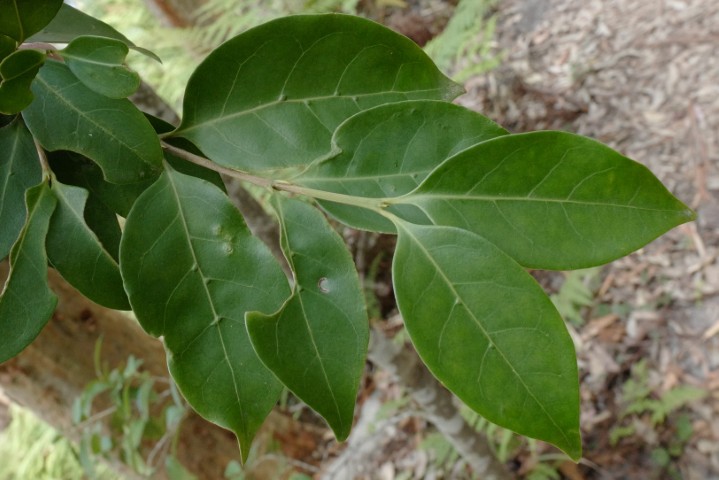
Coast Canthium: Simple, Opposite, Interpetiolar stipules, Domatia sometimes
Cupaniopsis anacardioides
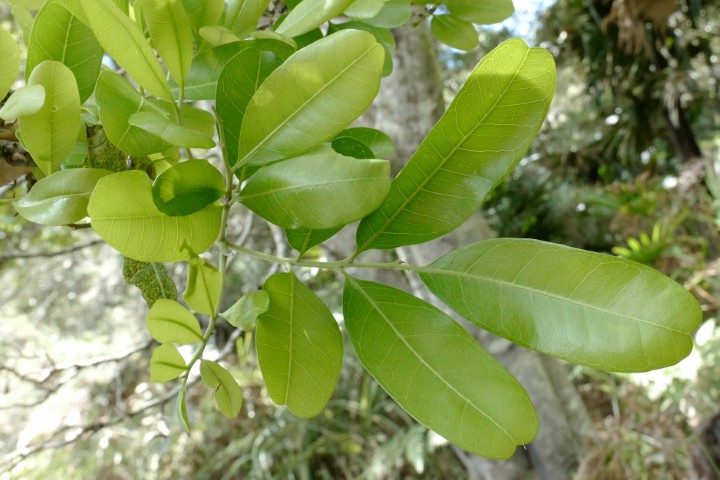
Tuckeroo: Pinnate, Alternate, Rachis projection
Diploglottis australis
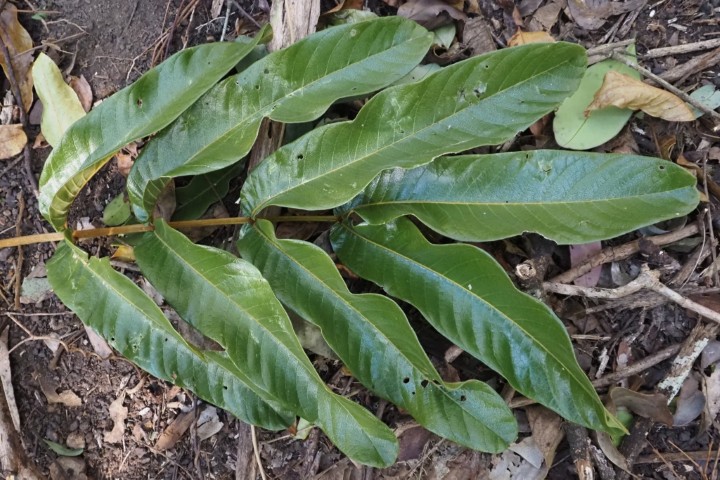
Native Tamarind: Pinnate, Alternate, Large hairy leaflets, Rachis projection
Archontophoenix cunninghamiana
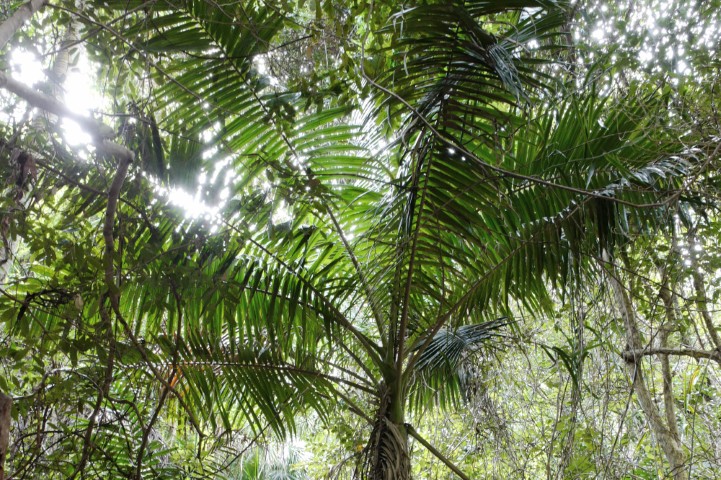
Bangalow Palm: , ,
Rainforest Plants (Rarer)
Polyscias elegans
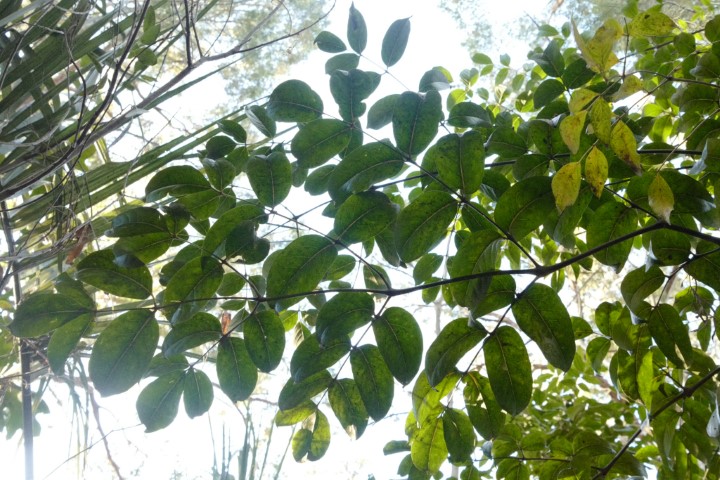
Celery Wood: Bipinnate, Alternate, Rachis swollen and jointed at nodes
Polyscias murrayi
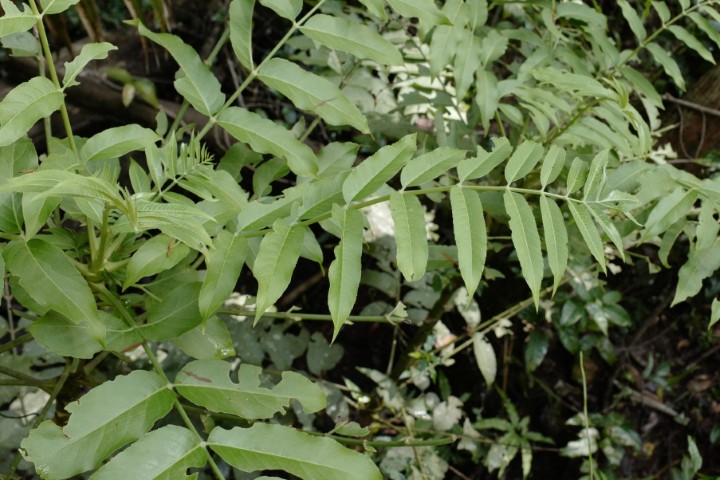
Pencil Cedar: Imparipinnate, Alternate, Toothed, Rachis jointed at nodes with glands between leaflets
Celtis paniculata
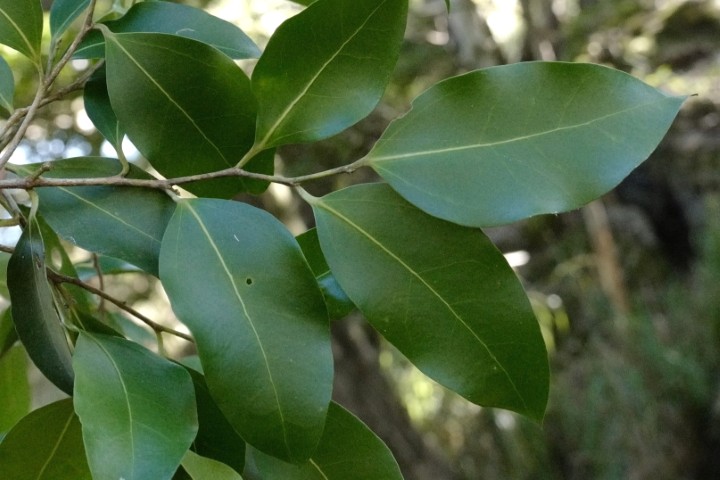
Investigator Tree: Simple, Alternate, Zigzagged branchlets, Lowest pair of lateral veins distinctly steeper
Diospyros pentamera
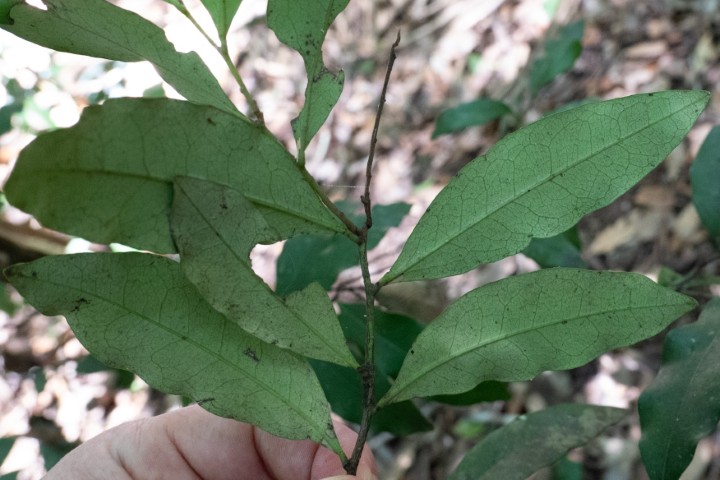
Myrtle Ebony: Simple, Alternate, Whitish green undersides with veins showing
Baloghia inophylla
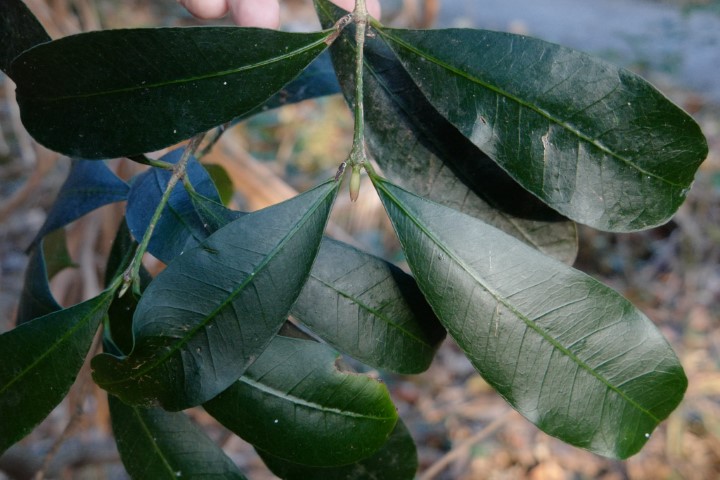
Brush Bloodwood: Simple, Opposite, Gland on both leaf margins near base
Pararchidendron pruinosum
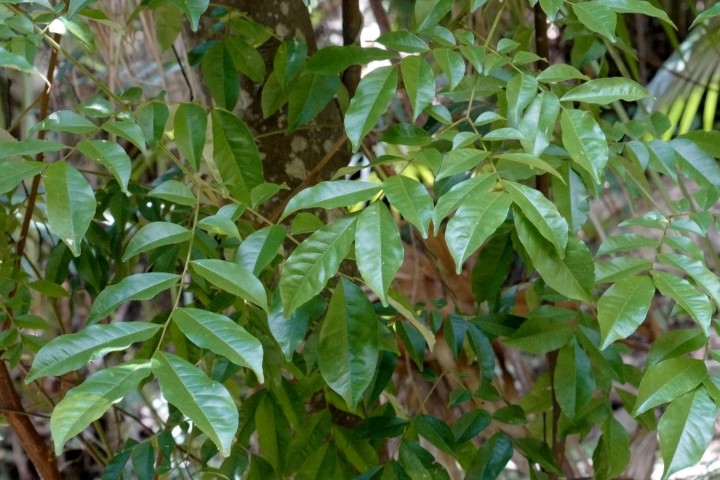
Snowwood: Bipinnate, Alternate, Pinnae opposite, Leaflets alternate
Gmelina leichhardtii
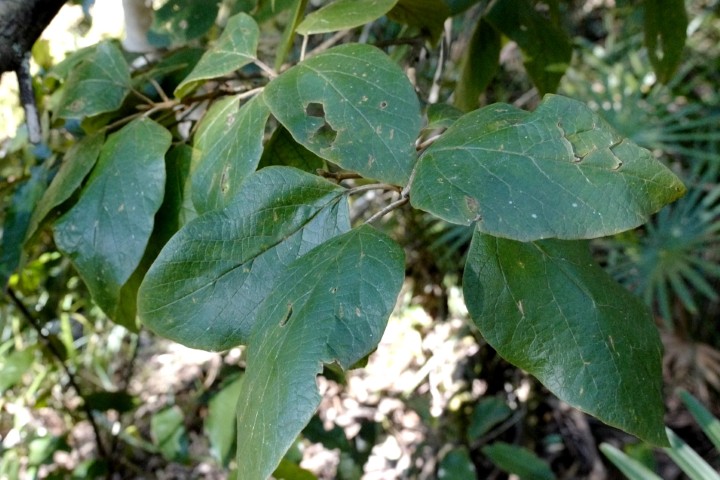
White Beech: Simple, Opposite, Raised hairy veins below, Toothed when young
Litsea reticulata
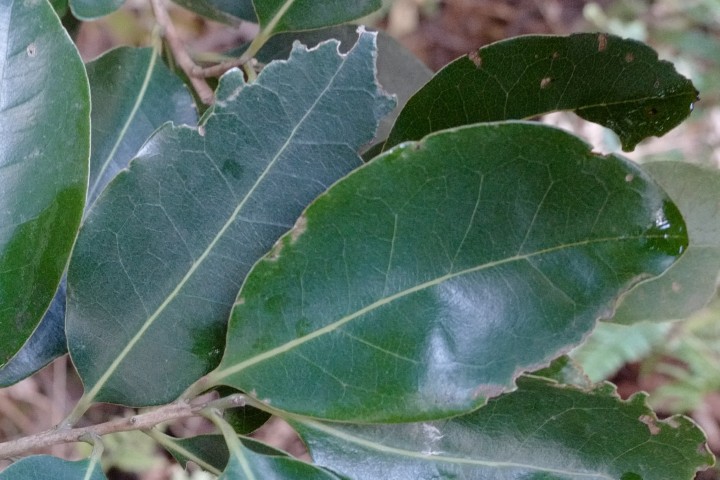
Bolly Gum: Simple, Alternate, Reticulated below, Midvein flatish, Veins make orderly loops well inside margin
Ficus obliqua
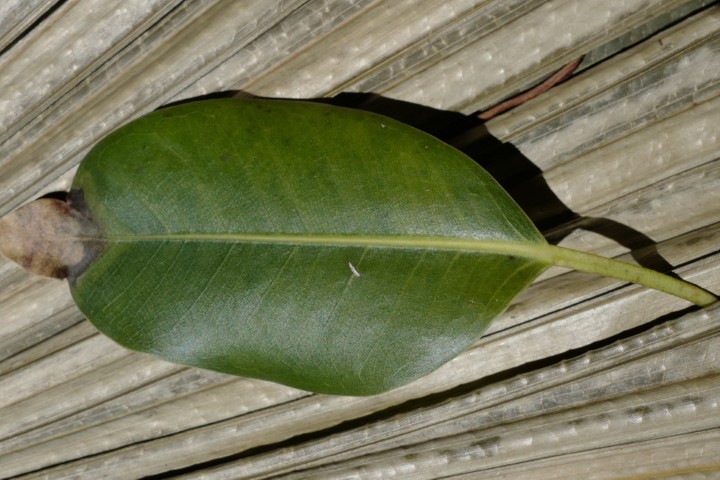
Small-leaved Fig: Simple, Alternate, Midvein raised, Stipules short, Fruit small
Maclura cochinchinensis
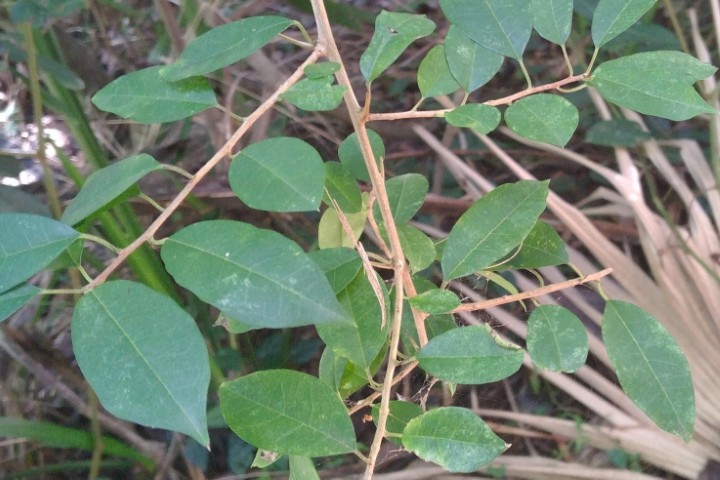
Cockspur Thorn: , ,
Syzygium australe
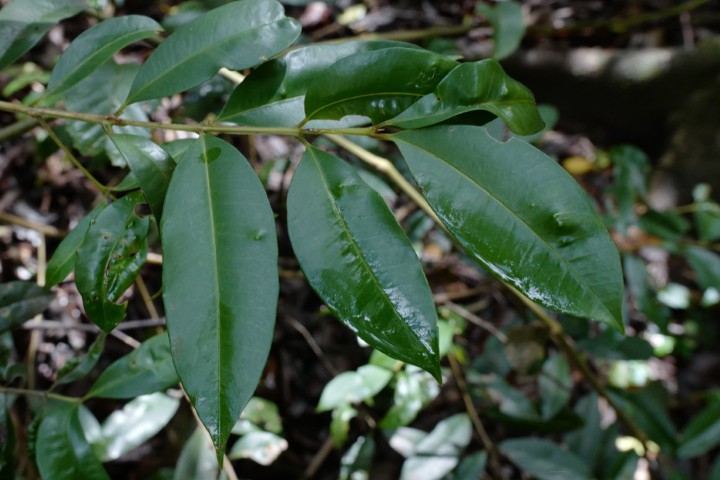
Brush Cherry: Simple, Opposite, New branchlets 4-winged with humps at nodes
Pisonia umbellifera
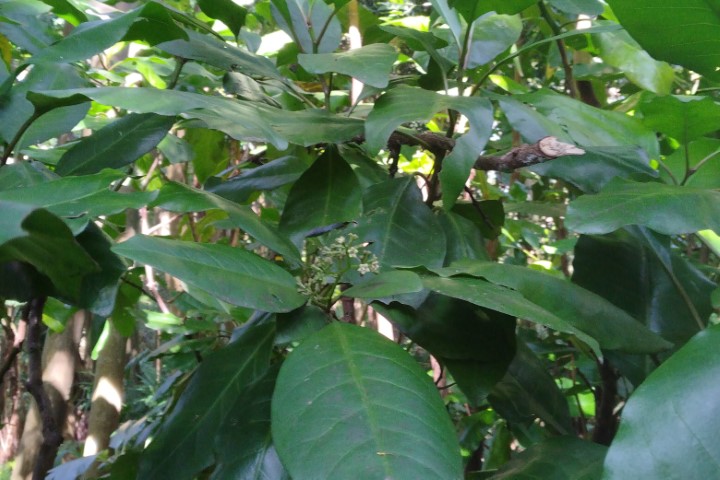
Birdlime Tree: , ,
Quintinia sieberi
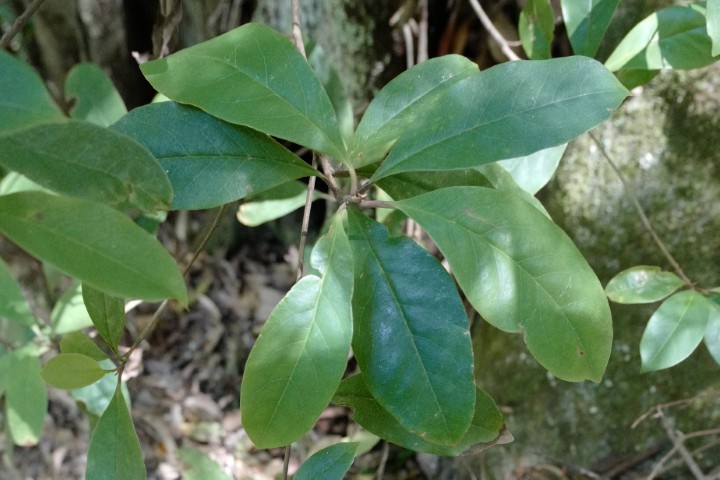
Possumwood: Simple, Alternate, Tiny red glands on young branchlets and leaf undersides
Pennantia cunninghamii
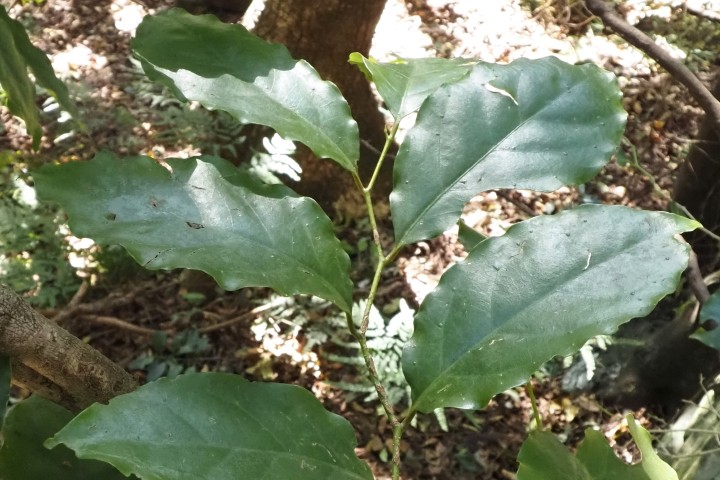
Brown Beech: , ,
Podocarpus elatus
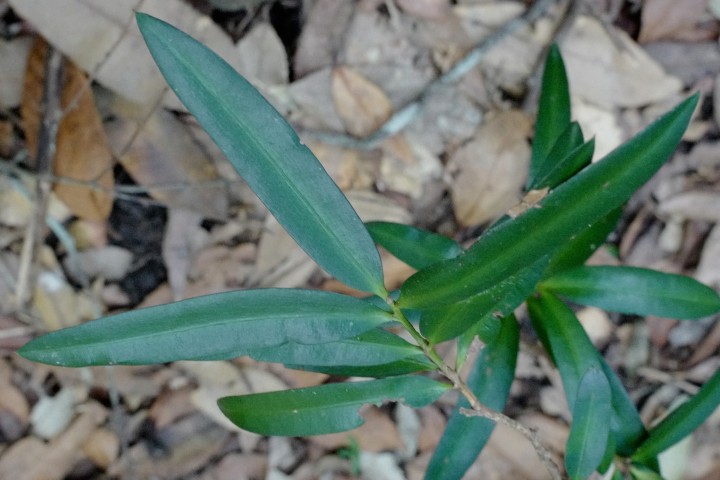
Plum Pine: , ,
Emmenosperma alphitonioides
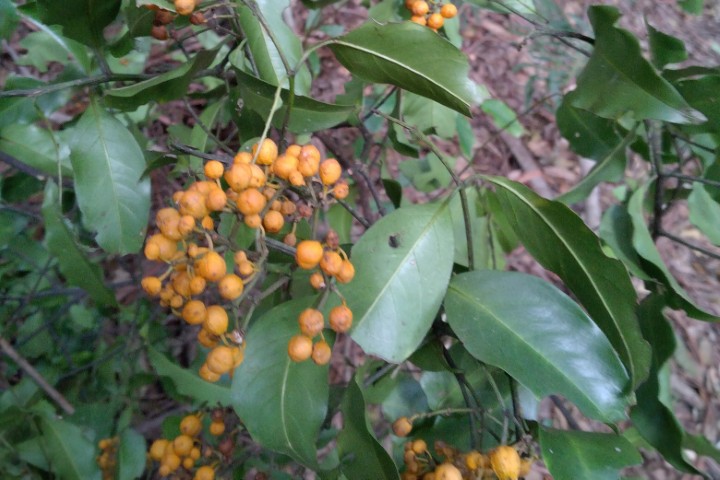
Yellow Ash: Simple, Opposite, Wirey branchlets, clusters of small orange fruit
Nematolepis squamea
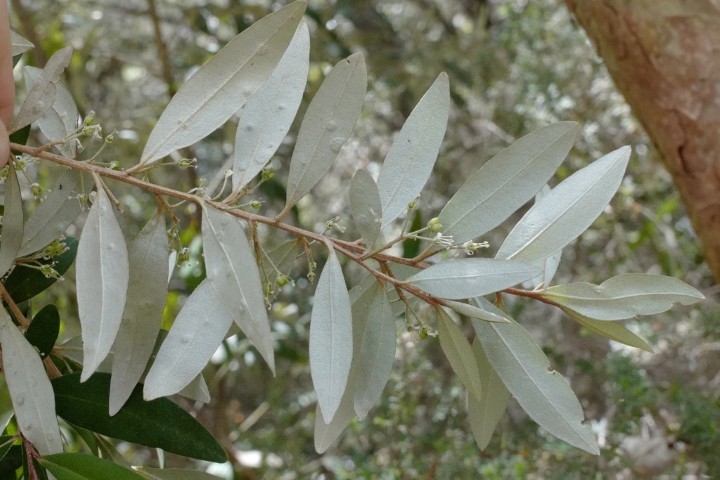
Satinwood: , ,
Sarcomelicope simplicifolia
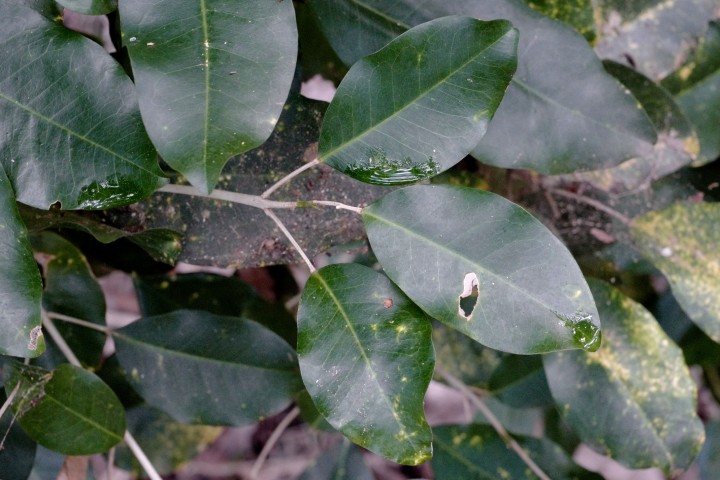
Yellow Aspen: 1-foliolate, Opposite, Sunken midvein, white petioles
Myoporum acuminatum
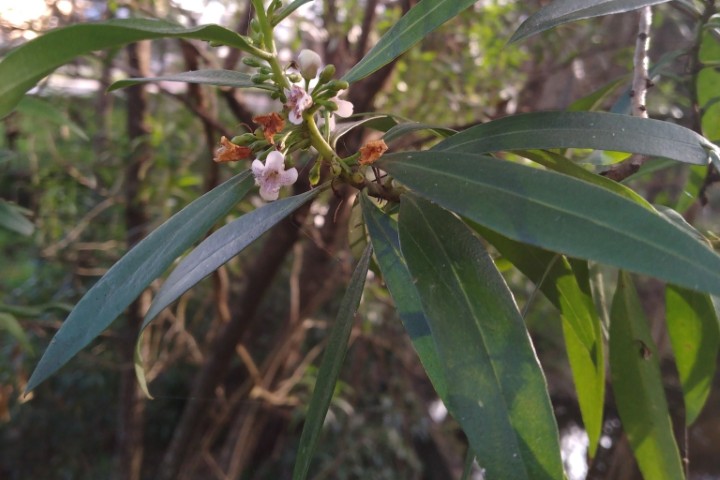
Boobialla: , ,
Symplocos thwaitesii
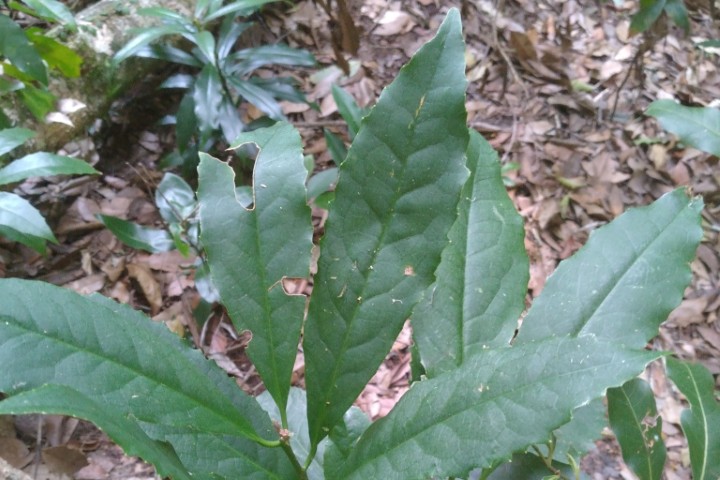
Buff Hazelwood: Simple, Alternate, Irregular teeth, Hairless scales over terminal buds
Dendrocnide excelsa
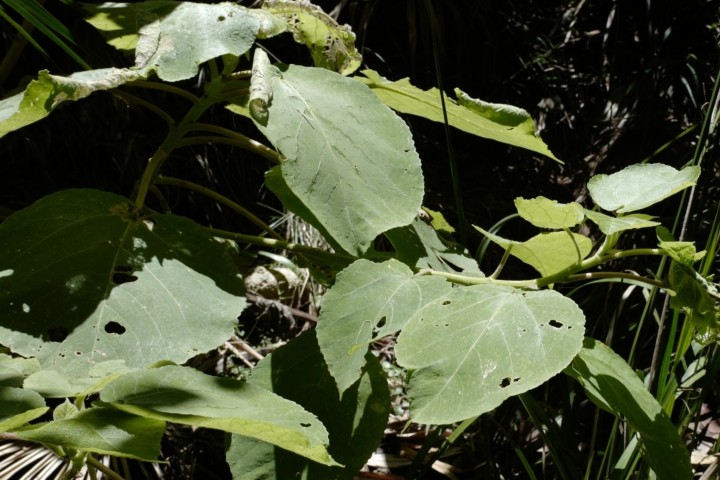
Giant Stinging Tree: Simple, Alternate, Toothed, Base cordate, Painful stinging hairs
Rainforest Plants (Possibly)
Syzygium paniculatum
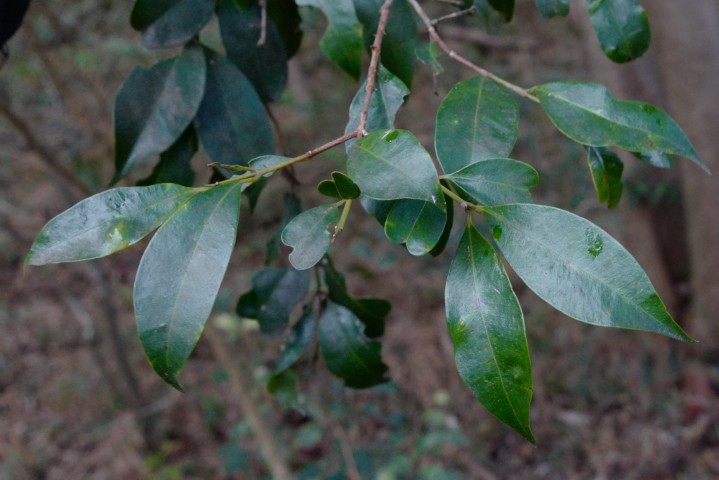
Magenta Lilly Pilly: Simple, Opposite, Often pitted above, Multiple embryos in seed
Neolitsea dealbata
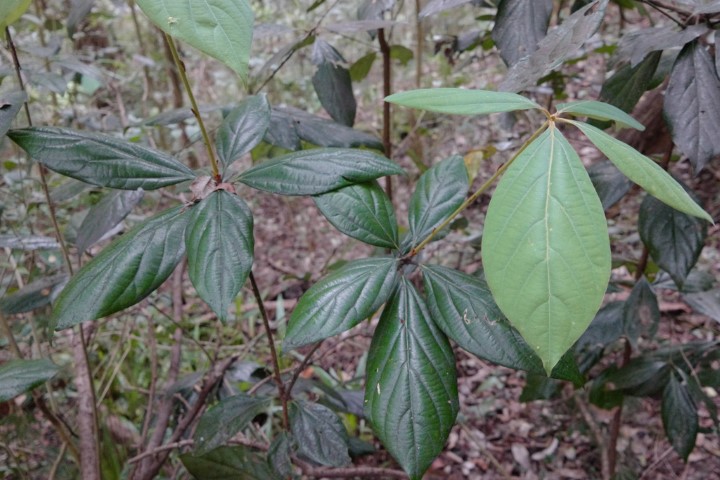
Hairy-leaved Bolly Gum: Simple, Pseudowhorled, Hairy branchlets and buds, Hairy white undersides
* Syzygium paniculatum is seen around some cleared picnic areas on the Hacking River but remnant populations appear to be very rare or even absent
** There is only a single BioNet record of Neolitsea dealbata in the park, which I have not been able to find to verify
Rainforest Vines
Trophis scandens
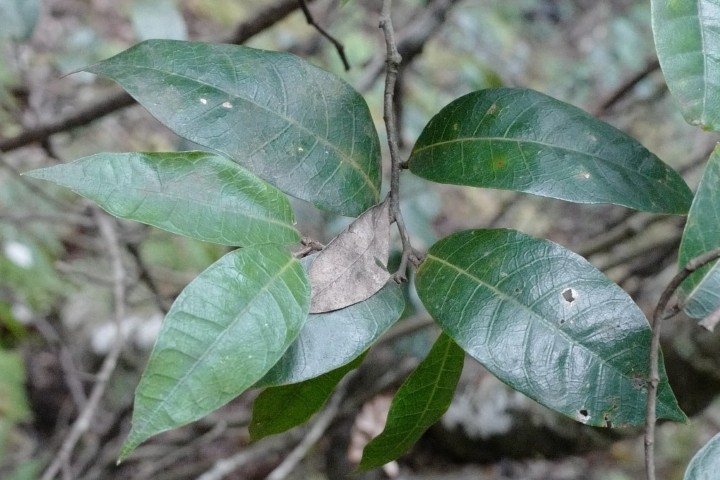
Burny Vine: Simple, Alternate, Toothed when young
Palmeria racemosa
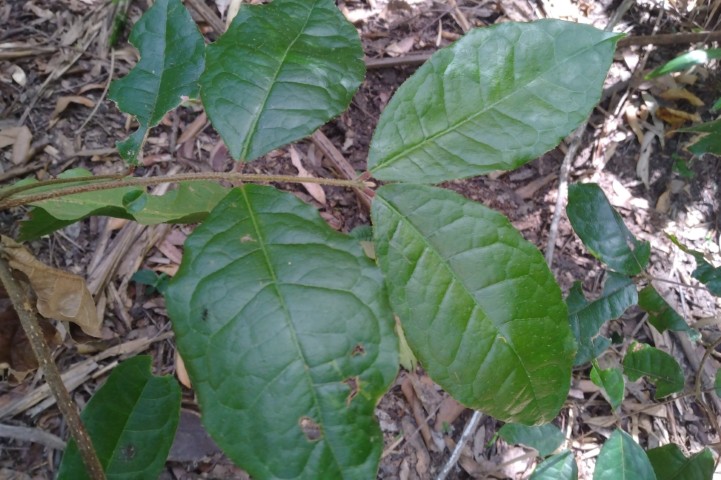
Anchor Vine: Simple, Opposite, Hairy
Melodinus australis
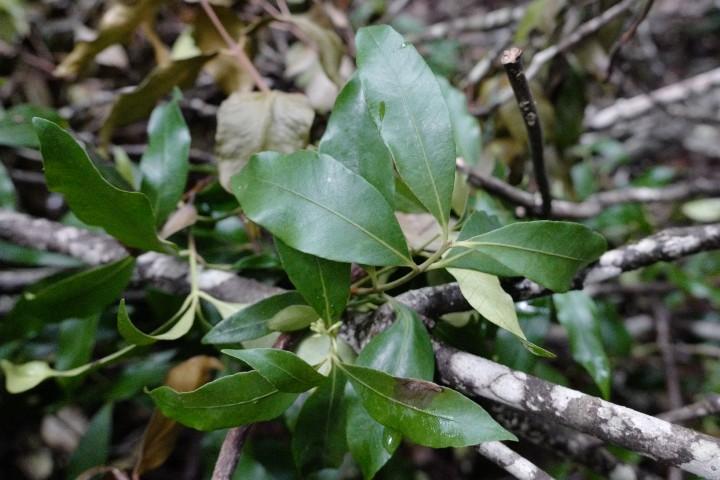
Bellbird Vine: Simple, Opposite, Raised midvein
Marsdenia rostrata
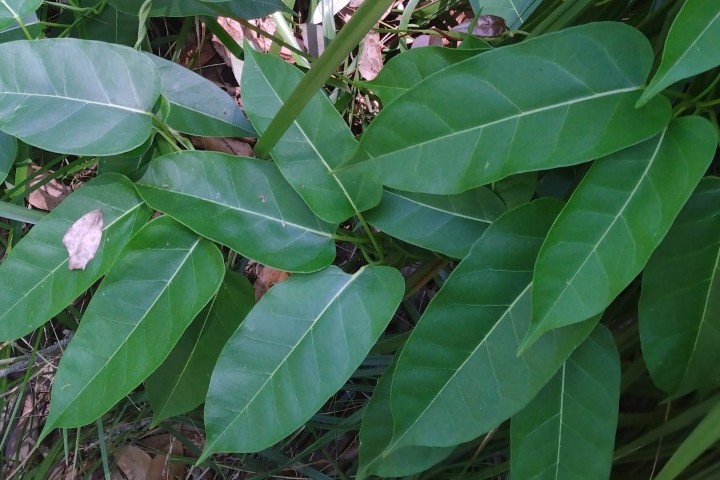
Milk Vine: , ,
Marsdenia flavescens
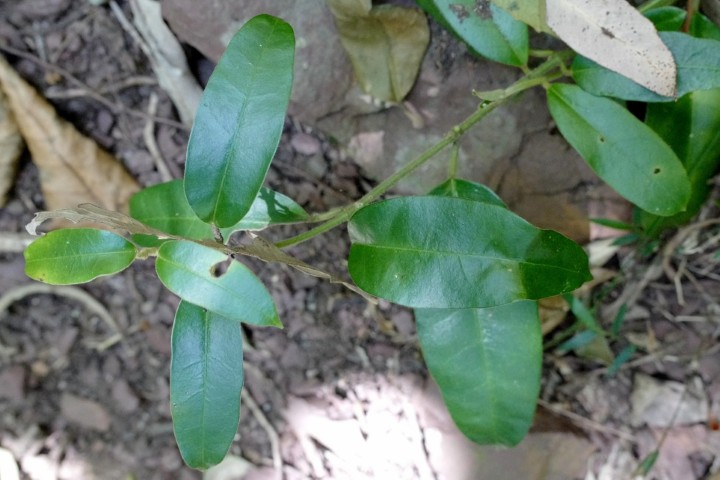
Hairy Milk Vine: Simple, Opposite, Glands, Hairy below
Marsdenia suaveolens
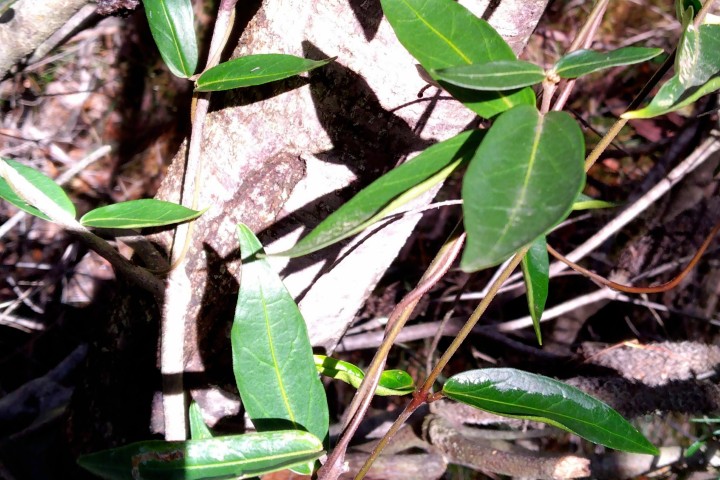
Scented Marsdenia: , ,
Ripogonum album
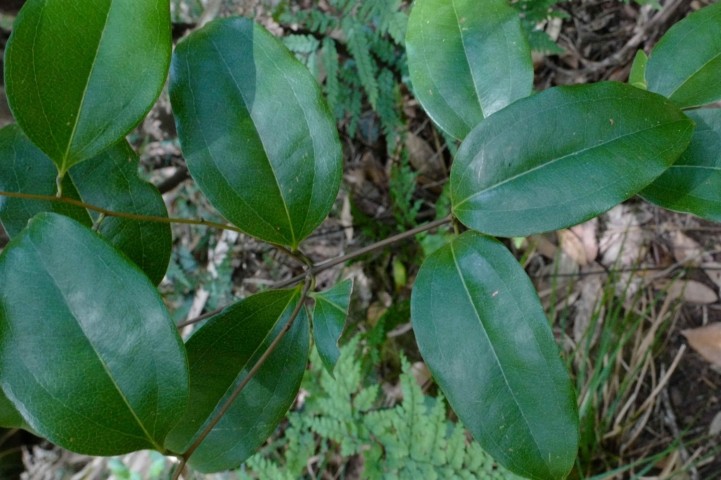
White Supplejack: Simple, Opposite, Variable, Three veined
Aphanopetalum resiniferum
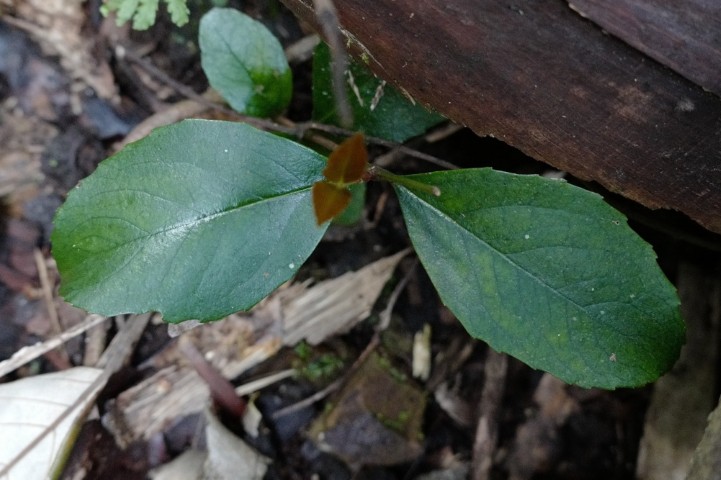
Gum Vine: Simple, Opposite, Toothed in upper 2/3rds
Legnephora moorei
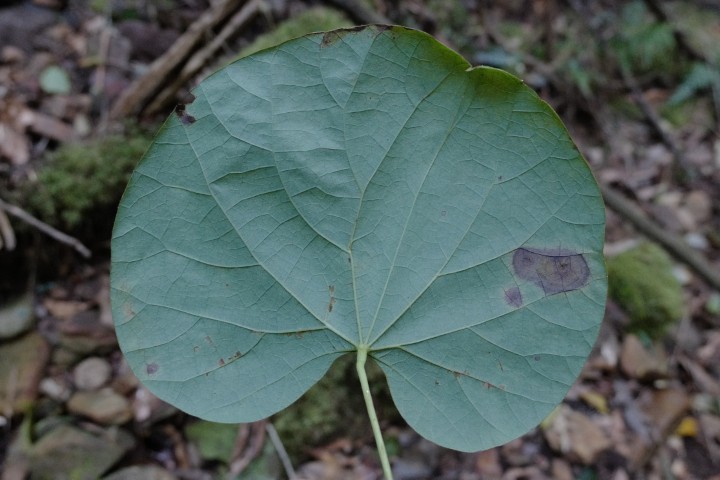
Round-leaf Vine: , ,
Flagellaria indica
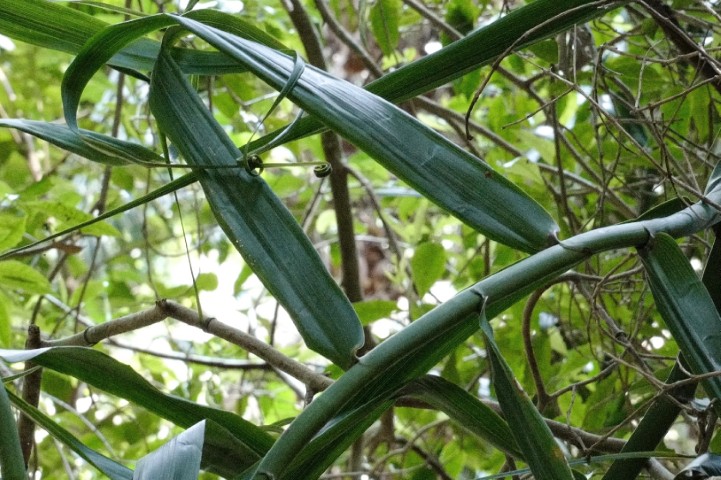
Whip Vine: Simple, Alternate, Reed like leaves
Piper hederaceum
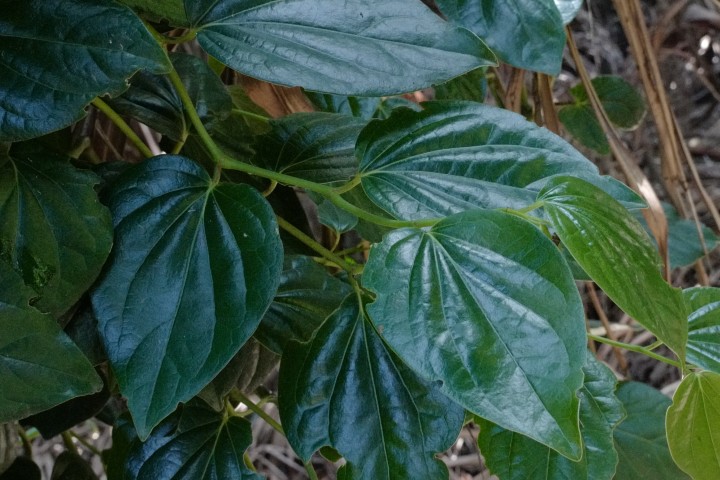
Giant Pepper Vine: Simple, Alternate, Succulent